







Table of Contents
TogglePolyester Jersey Guide: Fabric, Feel, Care & Customization
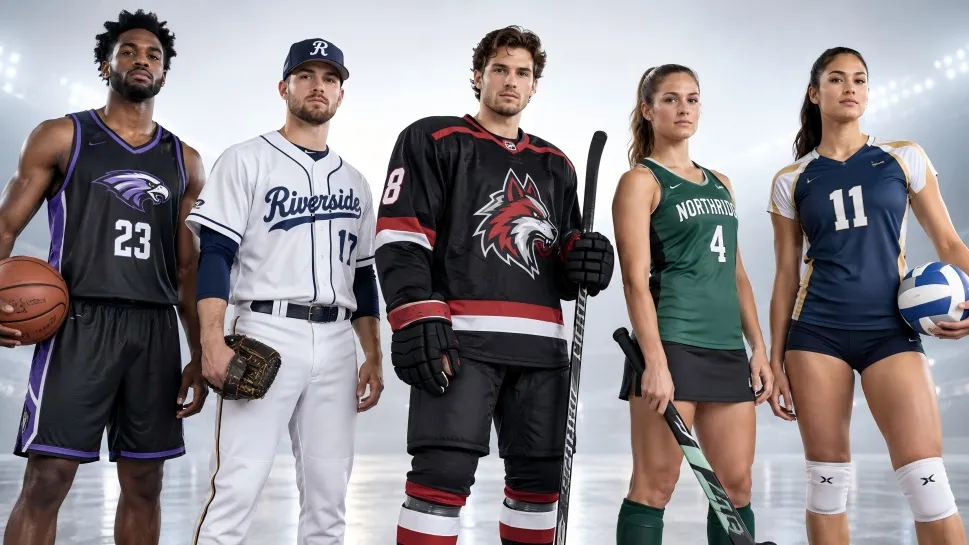
A polyester jersey is widely used for sports teams because it offers durability, easy care, color retention, and performance-friendly fabric options. Across field sports, court sports, hockey, cycling, and esports, polyester jerseys are available in different weights, knits, and finishes, so their feel and performance can vary.
Are all sports jerseys made from polyester? Is polyester breathable? Does it shrink? How should you wash, stretch, or add numbers to it?
This guide answers these questions while explaining polyester jersey fabric, comfort, breathability, care, customization, and what teams should consider when choosing custom polyester jerseys.
For teams needing personalized uniforms, polyester can support player names, numbers, team colors, logos, and several decoration methods while remaining suitable for a wide range of sports.
What Is a Polyester Jersey?
A polyester jersey is a sports garment made primarily from polyester fibers knitted into a jersey-style fabric. Polyester is a synthetic fiber known for strength, low moisture absorption, color retention, and resistance to everyday wear.
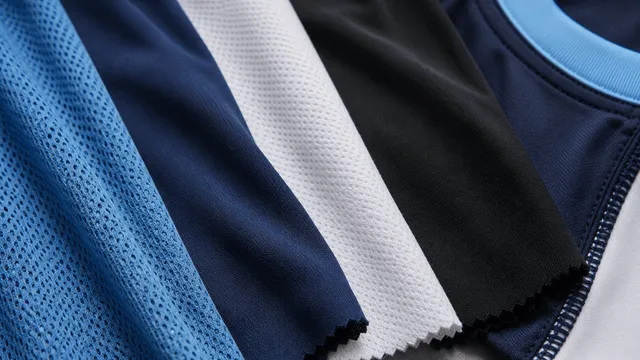
Polyester does not describe just one fabric. Jerseys can use lightweight mesh, interlock, double-knit polyester, or polyester blends containing spandex. Fabric weight and construction strongly influence how a jersey feels and performs.
Polyester Fiber vs. Polyester Jersey Fabric
Polyester refers to the fiber, while polyester jersey fabric describes the knitted material made from those fibers.
Two 100% polyester jerseys can feel very different. An open mesh construction may provide more airflow, while a dense knit can offer greater structure and durability. When choosing a jersey, consider fabric weight, construction, stretch, ventilation, and intended sport.
Common Types of Polyester Jersey Fabric
- Polyester mesh:Open construction that can promote airflow.
- Polyester interlock:Smooth, stable, and structured.
- Double-knit polyester:Heavier and more substantial.
- Polyester-spandex blends:Add stretch and recovery.
What Makes Polyester Jerseys Popular for Sports?
Sports uniforms must handle movement, repeated washing, outdoor conditions, and regular wear. Polyester offers durability, color retention, relatively easy care, and moisture-management potential depending on its construction and finish.
Are All Jerseys Made of Polyester?
No. Not all jerseys are made from polyester. Cotton, nylon, rayon, and blended fabrics are also used depending on the sport, comfort requirements, performance needs, and budget.
The word “jersey” does not automatically identify the fiber used.
Are All Sports Jerseys Polyester?
Many sports jerseys use polyester, but materials vary.
No. Not all jerseys are made from polyester. Cotton, nylon, rayon, and blended fabrics are also used depending on the sport, comfort requirements, performance needs, and budget.
The word “jersey” does not automatically identify the fiber used.
Are All Sports Jerseys Polyester?
Many sports jerseys use polyester, but materials vary.
Fabric | Main Advantage | Common Consideration |
Polyester | Durable and easy to maintain | Breathability varies by construction |
Cotton | Soft, familiar feel | Holds moisture |
Nylon | Strong and smooth | Different feel from traditional jersey fabrics |
Polyester-spandex | Stretch and recovery | Often costs more |
Cotton-polyester blend | Softness plus durability | Performance varies by blend |
Polyester is often preferred for team sports because uniforms need to withstand activity and repeated washing. Cotton can feel softer but absorbs more moisture and can become heavier during intense activity.
Why Do Sports Teams Prefer Polyester Jerseys?
A well-designed polyester sports jersey can provide:
- Durabilityfor repeated use
- Color retentionfor team designs
- Low moisture absorptioncompared with cotton
- Easy careand relatively good dimensional stability
- Customization compatibilitywith several decoration methods
However, construction matters. A lightweight mesh polyester jersey can feel much cooler than a dense polyester jersey even though both use the same fiber.
Polyester vs. Cotton for Sports Jerseys
Cotton offers a familiar, soft feel, but it absorbs sweat readily. Polyester absorbs less moisture into the fiber and can be engineered for moisture management and faster drying.
Neither material is universally better. For active team uniforms, polyester often provides a more practical combination of durability, care, and performance.
Why Are Jerseys Made of Polyester?
Polyester is widely used for sports jerseys because it combines durability, moisture management, color retention, easy care, and customization potential.
1. Durability for Regular Sports Use
Sports jerseys experience constant movement, equipment friction, and frequent washing. Polyester fibers are strong and resistant to everyday wear, helping well-constructed jerseys remain usable throughout a season.
2. Moisture Management
Polyester does not absorb water as readily as cotton. Manufacturers can also engineer polyester fabrics to move moisture across the surface, where it can evaporate more easily.
However, moisture management does not automatically mean breathability. Dense polyester can still feel warm, while open mesh can allow greater airflow.
3. Lightweight Performance
Polyester can be produced in different weights, including lightweight constructions that reduce bulk during activity. For warm-weather sports, fabric weight and ventilation are especially important.
4. Strong Color Retention
Polyester is well suited to vibrant team colors and customized designs, helping teams maintain a consistent appearance across uniforms.
5. Easy Maintenance
Polyester generally resists major shrinkage and wrinkles better than cotton. However, excessive heat and unsuitable care can still damage the fabric or customized graphics.
6. Suitable for Customization
Polyester works well with customization methods such as:
- Sublimation
- Heat-transfer graphics
- Sewn or stitched numbers
- Names and logos
Sublimation is particularly suitable for polyester because designs can be integrated into the fabric.
Is Polyester Good for Baseball Jerseys?
Yes. Polyester is a practical choice for many baseball uniforms because it can combine durability, ventilation options, and several customization methods. If baseball is your use case, custom baseball jerseys are one relevant example of how polyester can support team colors, player names, numbers, and logos.
Teams should consider fabric weight, ventilation, fit, decoration method, climate, and washing frequency rather than choosing based only on fiber content.
What Does a Polyester Jersey Feel Like?
A polyester jersey can feel smooth, lightweight, structured, or slightly textured, depending on its construction, weight, and finish.
Lightweight mesh may feel airy, while heavier double-knit polyester can feel firmer. Polyester-spandex blends generally provide additional stretch.
Is Polyester Jersey Comfortable?
Yes, a well-designed polyester jersey can be comfortable for sports. Fabric construction, fit, ventilation, seams, weight, and finishing all affect comfort.
Is Polyester Jersey Breathable?
Polyester can be breathable, but polyester itself does not guarantee breathability.

Breathability depends on:
- Knit structure:Open constructions allow more airflow.
- Fabric weight:Lightweight fabrics generally feel less warm.
- Ventilation panels:Mesh sections can increase airflow.
- Fit:A suitable fit can improve air movement.
- Finishing:Performance finishes can affect moisture movement.
Therefore, two polyester jerseys can provide very different wearing experiences.
Does Polyester Feel Hot?
It can, particularly when the fabric is heavy or tightly constructed. Lightweight mesh can feel substantially cooler.
For outdoor sports in warm conditions, prioritize lightweight polyester, ventilation, and suitable fabric construction rather than choosing solely by fiber type.
Polyester Jersey vs. Cotton Feel
Cotton generally feels softer and more natural, while polyester tends to have a smoother, more technical feel. Cotton’s softness can be appealing, but polyester’s lower moisture absorption makes it useful for performance sportswear.
Does Polyester Jersey Shrink?
Polyester jerseys generally resist shrinking better than cotton, but excessive heat can still cause changes. High washing or drying temperatures may affect the fabric, shape, seams, or graphics.
Can Polyester Jerseys Shrink in the Dryer?
Excessive dryer heat can cause shrinkage or distortion and may damage heat-applied numbers, names, or logos. Follow the care label and use low heat when machine drying is permitted. Air drying also reduces heat exposure.
What Causes a Polyester Jersey to Change Shape?
Possible causes include:
- Excessive heat
- High-temperature washing
- High dryer settings
- Aggressive washing
- Incorrect ironing
- Improper handling of decorations
- Different fibers in blended fabrics
How to Prevent Polyester Jersey Shrinkage
- Check the care label.
- Use the recommended water temperature.
- Avoid unnecessary heat.
- Use a low dryer setting when permitted.
- Air dry when practical.
- Keep high heat away from graphics.
- Avoid unsuitable ironing temperatures.
Does Polyester Shrink More Than Cotton?
Generally, polyester is more resistant to shrinkage than untreated cotton. However, it should still be protected from excessive heat.
How to Stretch a Polyester Jersey
If a polyester jersey feels slightly tight, gentle reshaping may provide limited adjustment, but polyester should not be aggressively stretched. If it is substantially too small, choosing the correct size is more reliable.
How to Gently Stretch a Polyester Jersey
- Lightly dampen it with cool or lukewarm water.
- Remove excess water without wringing.
- Lay it flat on a clean towel.
- Gently reshape the fabric.
- Let it air dry in the desired shape.
- Avoid repeatedly forcing the fabric.
Can You Stretch a Polyester Jersey With Heat?
No. High heat is not recommended for deliberately stretching polyester. It can affect the fabric and damage numbers, logos, or other graphics.
What About Polyester-Spandex Jerseys?
Polyester-spandex jerseys provide more natural flexibility because spandex adds elasticity and recovery. Even these fabrics should not be deliberately overstretched.
How to Make a Tight Jersey More Comfortable
If the jersey is only slightly restrictive, gentle reshaping may help. If the shoulders, chest, or sleeves are significantly too small, use a larger size.
For custom team jerseys, accurate measurements and reviewing the manufacturer’s size chart before production are much better than trying to stretch a finished uniform.
How to Wash a Polyester Jersey
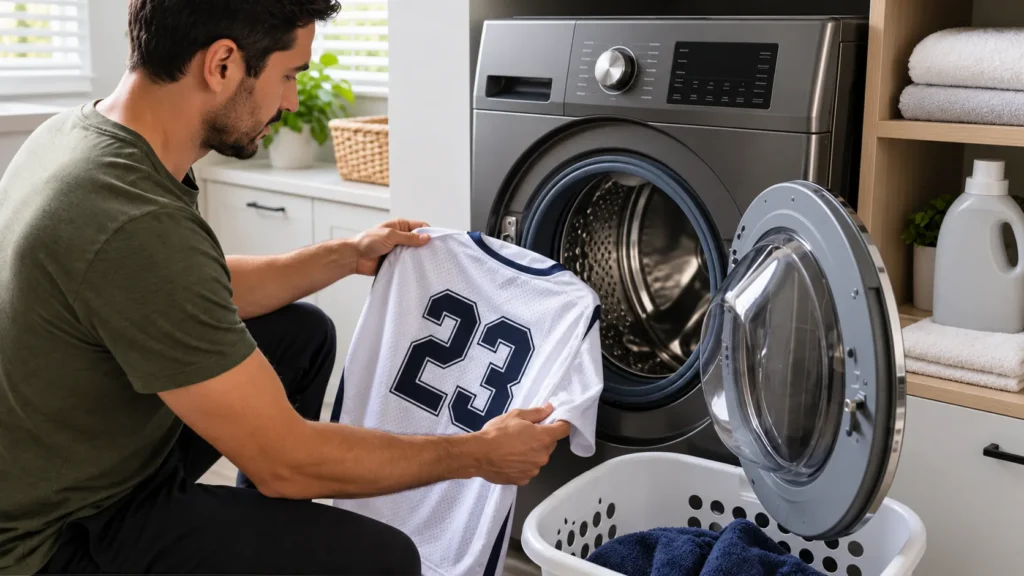
Proper washing helps maintain a jersey’s fit, color, performance, and customized details.
How to Wash a Polyester Jersey Step by Step
- Check the care label.Follow the manufacturer’s instructions.
- Turn it inside out.This can reduce friction on the outer surface and graphics.
- Use the recommended water temperature.Avoid unnecessarily hot water.
- Use suitable detergent.Avoid harsh chemicals unless specifically permitted.
- Avoid overloading the washer.Extra space can reduce unnecessary friction.
- Dry carefully.Air drying is simple. If machine drying is permitted, use lower heat.
How to Wash a Custom Polyester Jersey
Turn customized jerseys inside out and avoid high-temperature drying. Do not place a hot iron directly over printed or heat-applied graphics.
Treat stains according to the garment’s care instructions instead of aggressively scrubbing decorated areas.
Can You Put Polyester Jerseys in the Dryer?
Often yes, but the care label determines the appropriate setting. When permitted, lower temperatures are preferable to excessive heat. Air drying minimizes unnecessary heat exposure.
Common Polyester Jersey Washing Mistakes
Avoid:
- Excessively hot washing
- Excess detergent
- Unsuitable bleach
- High dryer heat
- Direct ironing over graphics
- Aggressive scrubbing
- Ignoring care instructions
How to Put Numbers on a Polyester Jersey
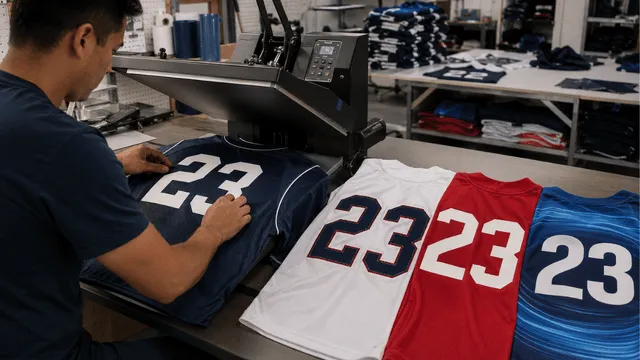
Numbers can be added using heat transfer, sewn numbers, or sublimation. The best method depends on the fabric, design, durability requirements, and whether the jersey is already finished.
Heat-Transfer Numbers
Heat-transfer numbers are bonded to the fabric using controlled heat and pressure.
Benefits:
- Clean appearance
- Suitable for names and numbers
- Useful for existing jerseys
- Available in different colors
Excessive heat during later care can affect the application, so compatible materials and correct application temperatures are important.
Sewn or Stitched Numbers
Sewn numbers provide a traditional team-uniform appearance and durable physical attachment. They can add some weight and require more labor than heat-applied numbers.
Sublimation Numbers
Sublimation is particularly suitable for polyester. The design is integrated into the fabric rather than sitting as a separate layer, creating a lightweight finish and allowing detailed designs.
Which Numbering Method Is Best?
Method | Best For | Main Benefit |
Heat transfer | Existing jerseys | Flexible and relatively quick |
Sewn numbers | Traditional uniforms | Classic, durable attachment |
Sublimation | New polyester jerseys | Integrated, lightweight design |
For custom team jerseys, deciding on the numbering method before production allows the fabric and decoration process to work together.
Can You Put Numbers on Any Polyester Jersey?
Not necessarily. Fabric texture, finish, stretch, heat tolerance, and existing graphics can affect compatibility. For existing jerseys, check the manufacturer’s recommendations first.
How to Choose the Right Polyester Jersey
Choosing the right polyester jersey means considering more than the fiber label.
Consider the Fabric Weight
Lightweight polyester can reduce bulk and work well in warm conditions, especially when combined with open construction. Heavier polyester offers more structure but can feel warmer.
Look at the Fabric Construction
Mesh: Greater airflow and useful for warm conditions.
Interlock: Smooth and stable with a structured appearance.
Double-knit: Heavier and more substantial, suitable when structure and durability matter.
Check Stretch and Fit
Consider whether the jersey contains spandex or elastane when players need additional flexibility. Always use the manufacturer’s size chart for team orders.
Consider Breathability
For warm-weather sports, prioritize lightweight construction, ventilation, and mesh rather than assuming every polyester jersey is equally breathable.
Think About Customization
Confirm that the chosen fabric works with the team’s preferred names, numbers, logos, and graphics. Polyester is versatile, but decoration methods should still match the fabric.
Choose Based on the Sport
Different sports place different demands on a polyester jersey. Consider movement, contact level, climate, washing frequency, fit, ventilation, and design before choosing the fabric and construction.
The best polyester jersey is the one whose construction, weight, fit, and customization method match the team’s actual needs.
Custom Polyester Jerseys: What to Know Before Ordering
A good custom polyester jersey should combine suitable material, comfortable fit, durable construction, and personalization appropriate for the sport or activity.
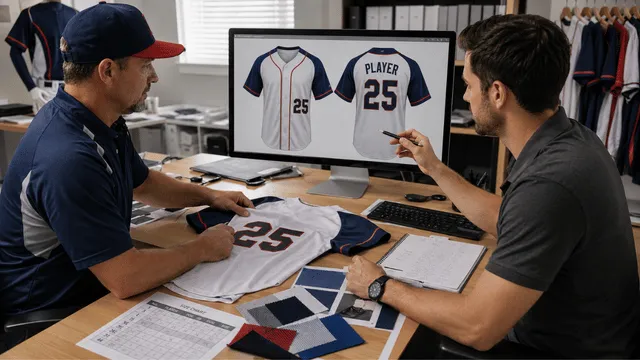
Choose the Design Before Finalizing the Jersey
Consider:
- Team name
- Player names
- Numbers
- Logo
- Team colors
- Sleeve or trim details
- Optional sponsor graphics
Confirm the Fabric and Construction
Ask about:
- Fabric weight
- Mesh or knit construction
- Stretch content
- Breathability
- Color options
- Customization compatibility
Get Sizing Right Before Production
Review the manufacturer’s measurements and compare them with a jersey that fits. For team orders, collecting individual measurements can reduce sizing problems.
Consider How the Jersey Will Be Customized
- Sublimationworks well for detailed polyester designs.
- Heat transfercan suit names, numbers, and individual details.
- Sewn elements provide a traditional team-uniform appearance.
- Discuss durability and care requirements before production.
Request a Mock-Up Before Ordering
A digital mock-up allows teams to verify logos, names, numbers, colors, and placement before production. Fixing design problems before manufacturing is much easier than correcting finished uniforms.
Think Beyond the Initial Purchase
Consider durability, construction, customization, sizing, and care instructions. FastCustomJerseys supports custom polyester jersey projects across multiple sports, so the final fabric and decoration method can be matched to the team’s actual use.

FAQs
Is polyester good for sports jerseys?
Yes. Polyester offers durability, color retention, low moisture absorption, and relatively easy care. Performance still depends on construction and weight.
Can polyester jerseys be customized for different sports?
Yes. Polyester and polyester blends are widely used for team apparel across sports such as baseball, basketball, hockey, football, volleyball, cycling, and esports because the material supports regular wear, washing, and multiple customization methods.
Is polyester jersey breathable?
It can be. Polyester itself does not guarantee breathability. Lightweight mesh and open constructions generally allow more airflow than dense fabrics.
Does polyester shrink in the dryer?
Polyester generally resists shrinkage better than cotton, but excessive dryer heat can cause changes or damage. Follow the care label.
Can you stretch a polyester jersey?
Limited gentle reshaping may help slightly. Do not aggressively pull or use high heat. If the jersey is substantially too small, choose a larger size.
How should you wash a polyester jersey?
Check the care label, turn it inside out, use the recommended water temperature, and avoid excessive heat. Air drying is a simple option.
Can you put numbers on polyester jerseys?
Yes. Heat transfer, sewn numbers, and sublimation can all be used depending on the fabric and production method.
Is polyester better than cotton for sports jerseys?
Neither is universally better. Cotton offers softness, while polyester generally provides advantages for frequent athletic use, easy care, and moisture-management potential.
What is the best polyester jersey for sports?
Choose according to the sport, climate, fabric weight, ventilation, stretch, fit, durability, customization method, and expected washing frequency.
Conclusion
A polyester jersey can be an excellent sports-uniform choice because it combines durability, color retention, low moisture absorption, easy care, and customization flexibility.
However, polyester jerseys do not all perform identically. Fabric weight, knit construction, ventilation, stretch, and finishing determine much of the actual wearing experience. Lightweight and appropriately ventilated construction can be particularly useful for warm or high-movement conditions.
Proper care also matters. Follow washing instructions, avoid unnecessary heat, and protect customized areas to help maintain the jersey’s appearance and fit. When adding names and numbers, select a decoration method suited to the fabric and intended use.
If you’re planning custom team uniforms, FastCustomJerseys can help you review polyester fabric, sizing, customization methods, and design requirements across different sports. Start with a free digital mock-up to confirm the look before production.