







Table of Contents
ToggleWhat Is a Sublimated Jersey?
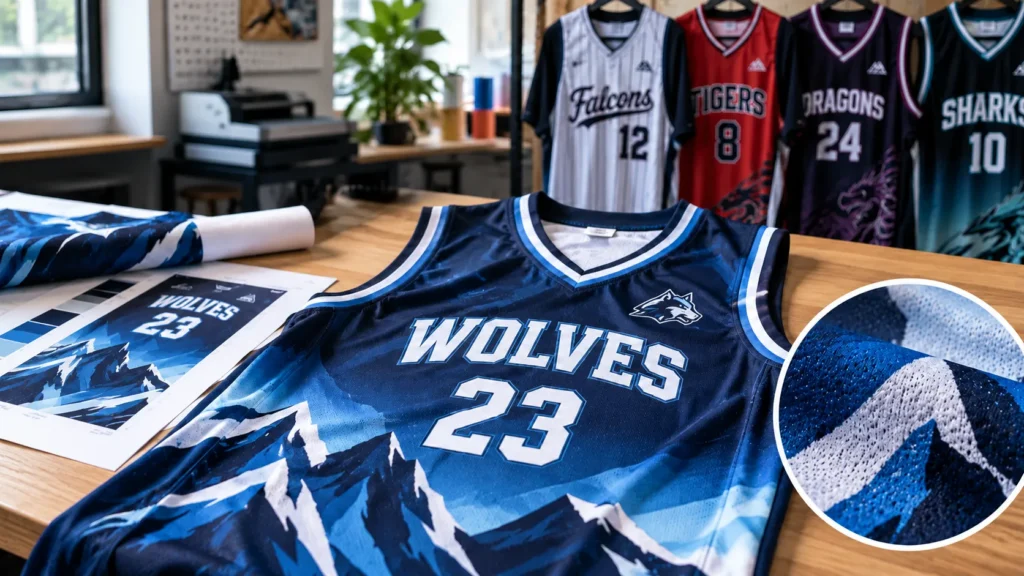
A sublimated jersey is a sports jersey made by infusing dye directly into polyester fabric using heat. Unlike surface printing, the design becomes part of the fabric rather than sitting on top of it. This allows teams to create detailed, full-color designs with names, numbers, logos, gradients, patterns, and other graphics without adding a heavy layer to the garment.
Sublimation is especially popular for custom team uniforms because it offers extensive design flexibility while maintaining the smooth feel of performance fabric. The same process can work across baseball, hockey, basketball, football, volleyball, cycling, and esports when the jersey uses suitable polyester construction.
But how does sublimation actually work, what fabric is suitable for it, and does a sublimated jersey perform differently from a traditionally decorated jersey? Understanding the process, design options, care requirements, and ordering considerations can help you decide whether sublimation is the right choice for your team.
Can You Sublimate on Jersey Material?
Yes, but the fabric needs to be suitable for sublimation. Polyester is the preferred material for dye sublimation because its fibers can bond with sublimation dyes when exposed to the required heat and pressure. This is why many performance jerseys use polyester fabrics for full-color sublimated designs.
The type and quality of the jersey material also influence the final result. A well-made sublimated jersey can combine detailed graphics with the lightweight and moisture-managing properties teams typically want in athletic apparel.
Why Polyester Works Best for Sublimation
Sublimation works differently from ordinary surface printing. Under controlled heat, the solid dye changes into a gas and bonds with the polyester fibers. As the material cools, the dye becomes integrated into the fabric.
This process is why sublimated designs generally do not create a separate, heavy layer over the jersey.
Polyester also offers practical advantages for sports uniforms, including:
- Lightweight construction
- Moisture management
- Flexibility for athletic movement
- Smooth surface for detailed artwork
- Compatibility with full-color sublimation
What Fabric Should You Choose?
Not all polyester jerseys feel or perform the same. When choosing sublimation jersey material, consider the fabric’s weight, stretch, breathability, and intended use.
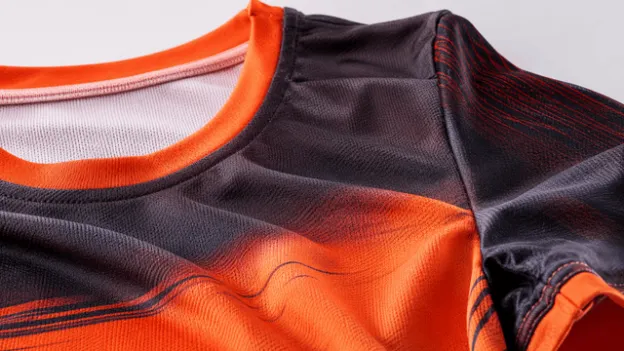
For active team sports, lightweight performance polyester can be useful when players need freedom of movement during games, practices, or events. Heavier materials may provide a different feel and appearance, while moisture-managing fabrics can be preferable in warmer conditions.
It is also important to consider the garment as a whole. Fabric quality, stitching, fit, collar construction, and sizing can affect comfort just as much as the printing method.
If you’re ordering custom sublimated jerseys, ask about the fabric specifications before approving production. A high-quality design cannot compensate for material that does not suit the team’s playing conditions, movement needs, or preferences.
How Are Sublimated Jerseys Made?
A sublimated jersey goes through several stages before it becomes a finished uniform. Unlike printing onto an already assembled garment, full sublimation jerseys are often produced by printing the artwork onto fabric panels and then cutting and sewing those panels into the final shape. This approach allows the design to extend across large areas of the jersey.
Here is how the process generally works:
1. Create the Jersey Artwork
The process begins with a digital design. Team colors, logos, patterns, player names, numbers, and other graphics are arranged according to the jersey template.
At this stage, designers also need to account for seams, collars, sleeves, and other areas where artwork may be cut or joined during construction.
2. Print the Design on Transfer Paper
The approved artwork is printed onto specialized transfer paper using sublimation inks. The colors and design need to be prepared correctly because the final appearance depends on the transfer and fabric combination.
3. Apply Heat and Pressure
The printed transfer paper is placed against the polyester fabric. Controlled heat and pressure are then applied using specialized equipment.
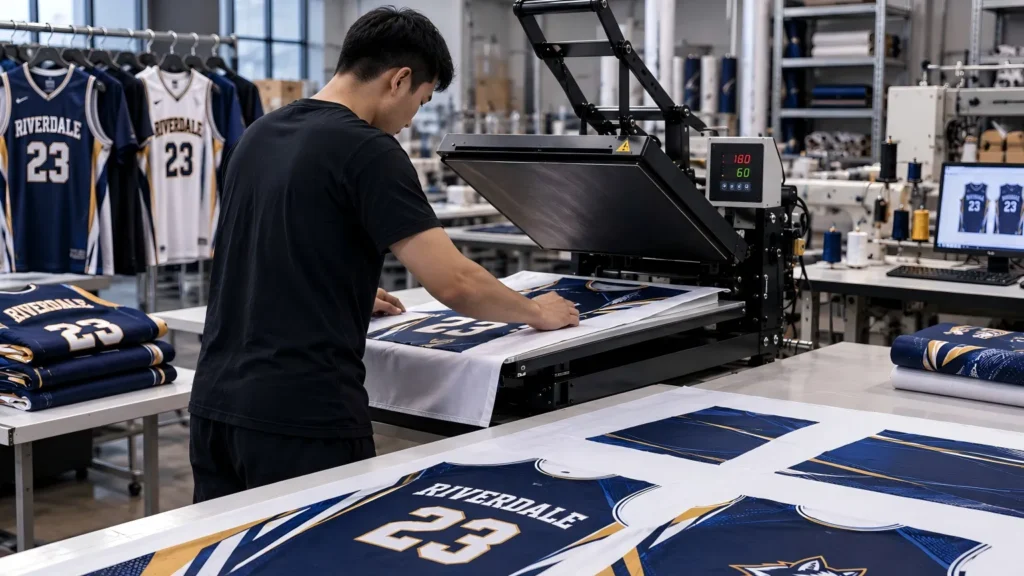
The heat causes the sublimation dye to transition into a gas, allowing it to penetrate the polyester fibers.
4. Infuse the Dye Into the Fabric
As the fabric cools, the dye returns to a solid state and remains integrated within the fibers. This is what gives sublimated jerseys their smooth printed surface.
Because the design is not sitting on top as a separate layer, the finished fabric can retain much of its original feel and flexibility.
5. Cut and Sew the Jersey
For full dye sublimation, the printed fabric is cut according to the jersey pattern. Individual panels are then stitched together to create the finished garment.
This step requires accurate alignment so that colors, patterns, logos, and other design elements meet properly across seams and panels.
6. Inspect and Finish the Jersey
Before shipment, the finished jersey should be checked for design accuracy, stitching, sizing, color consistency, and personalization details.
For team orders, quality control is especially important because names and numbers need to match the approved roster and final design. This combination of careful artwork preparation, controlled sublimation, precise cutting, and quality construction determines the overall quality of the finished jersey.
How to Design a Full Sublimation Jersey
Designing a full sublimation jersey gives teams far more creative freedom than adding a single logo or number to a standard blank jersey. Because the artwork can cover large sections of the garment, the design should balance team identity, readability, and on-field performance.
Start With Your Team Identity
Begin with the elements that should remain consistent across the entire uniform:
- Team colors
- Logo and mascot
- Player names
- Jersey numbers
- Patterns or graphics
- Sponsor placement, where applicable
Use your primary colors strategically rather than filling every area with competing graphics. A strong design should be recognizable from a distance.
Design Around the Entire Jersey
A sublimated jersey should be viewed as one complete garment, not simply a front and back print. Consider how the artwork will appear across the:
- Front
- Back
- Sleeves
- Side panels
- Collar
- Number areas
Patterns and graphics should be positioned carefully around seams and construction lines. Important details such as names and numbers also need sufficient contrast so they remain easy to read during gameplay.
Prioritize Readability and Comfort
A visually impressive design can still create problems if it makes player numbers difficult to identify. Keep lettering and numbers clear, use strong color contrast, and avoid placing important details over overly busy patterns.
The fabric also matters. A design may look excellent on screen, but the final jersey should still provide the flexibility, breathability, and fit players need during active use.
Review the Mock-Up Before Production
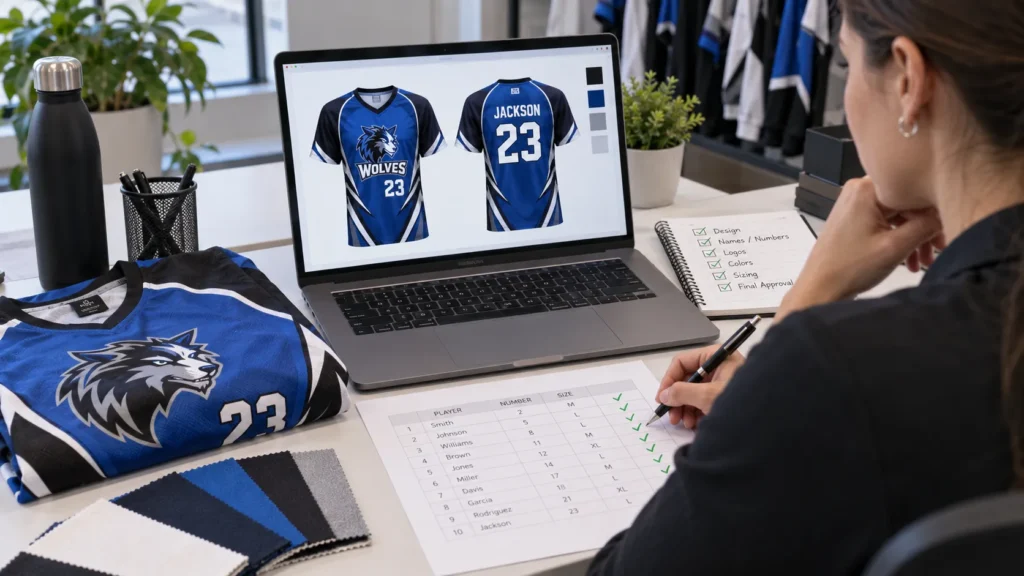
Before approving custom sublimated jerseys, carefully check the digital mock-up. Confirm every player name, number, logo, color, spelling, and design placement.
This is also the right time to identify any artwork that may be affected by seams or panel construction. Once the final design is approved, changes can become more difficult or costly.
For teams ordering multiple uniforms, reviewing the complete roster and sizing information at this stage can help prevent avoidable production errors.
How to Order Full Sublimation Jerseys
Ordering full sublimation jerseys is straightforward when you have your team details and artwork organized before production begins. The same general workflow can support school teams, leagues, clubs, recreational groups, and competitive programs across different sports.
1. Choose the Jersey Style and Material
Start by selecting the appropriate jersey style, fabric, fit, and construction. Consider the sport, playing environment, and how frequently the uniforms will be used.
2. Prepare Your Team Details
Have the important information ready, including:
- Team name and logo
- Player names
- Jersey numbers
- Required sizes
- Preferred colors
- Quantity needed
- Any sponsor or organization details
For larger team orders, keeping the roster in one accurate list can reduce mistakes.
3. Submit Your Design Requirements
Provide your existing artwork or explain the look you want. If you do not have a finished design, a custom jersey provider can often help turn your ideas into a digital mock-up.
4. Review the Mock-Up
This is one of the most important stages. Check the colors, logos, names, numbers, patterns, and overall placement before production.
FastCustomJerseys can help teams turn approved artwork into full-sublimation jerseys with team colors, logos, names, numbers, and other player-specific details. Review the digital mock-up carefully before production so the finished uniforms match the approved design.
5. Approve the Final Specifications
Once everything looks correct, confirm the sizes, quantities, personalization, fabric, and other production details. Avoid approving the order until all player information has been checked.
6. Production and Delivery
After approval, the manufacturer prepares the fabric, transfers the design, cuts the panels, sews the jerseys, and completes quality checks before shipping.
For a smoother experience, ask about production time, sizing, artwork requirements, and sample or mock-up approval before placing the final order. This helps ensure the finished sublimated jerseys match what your team approved.
Are Sublimation Jerseys Hotter Than Regular Jerseys?
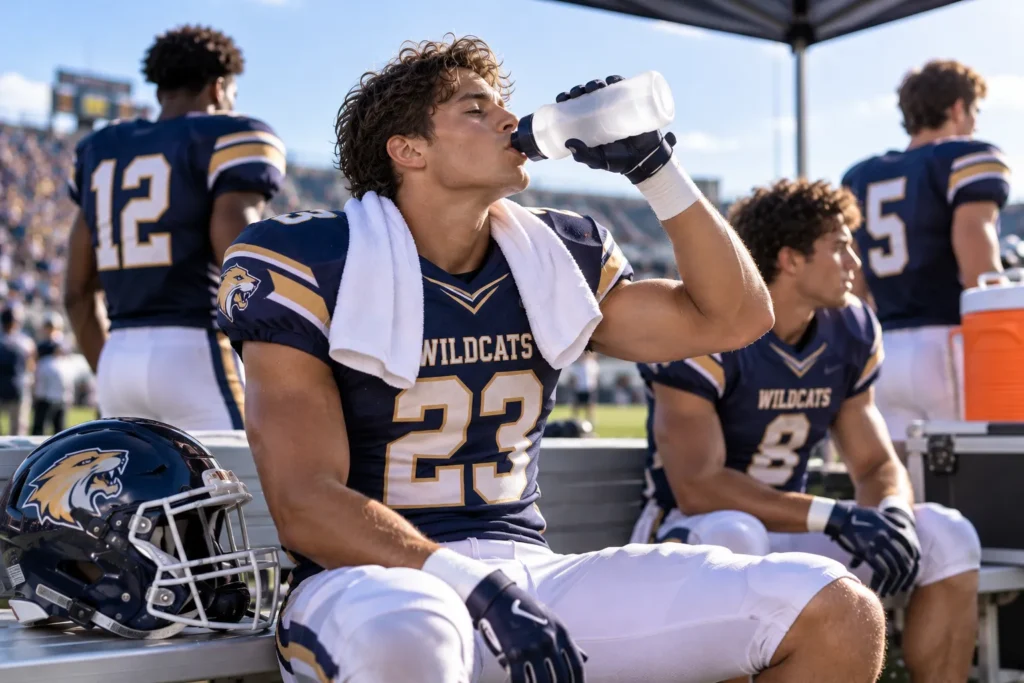
Not necessarily. A sublimated jersey is not inherently hotter simply because it uses sublimation. The comfort and temperature of a jersey depend more on its fabric, weight, knit construction, breathability, fit, and moisture-management properties.
Sublimation itself adds very little physical material to the surface of the jersey. The dye becomes integrated into the polyester fibers rather than forming a thick coating over them. This allows the fabric to retain much of its original texture and flexibility.
For teams playing in warm conditions, pay attention to the jersey material rather than focusing only on the printing method. Lightweight polyester performance fabrics with good airflow and moisture management can help players stay more comfortable during active use.
Fit also matters. A jersey that is excessively tight or made from a heavier fabric may feel warmer regardless of whether it is sublimated.
When choosing sublimated team jerseys, consider the playing environment, season, fabric weight, ventilation needs, and sport-specific fit alongside the design. Teams in warm or high-movement settings may benefit from lightweight performance materials with better airflow.
In short, sublimation does not automatically make a jersey hotter. The fabric and garment construction have a much greater influence on how warm the jersey feels during play.
How to Wash Sublimated Jerseys
Proper care can help your sublimated jerseys maintain their colors, shape, and overall appearance through regular practices and games. Because the design is infused into the fabric rather than applied as a separate surface layer, sublimation does not typically create a printed film that can peel away. However, the jersey fabric itself can still be damaged by harsh washing and excessive heat.
Recommended Washing Method
Follow the garment’s care label first, then use these general practices:
- Turn the jersey inside outbefore washing to reduce friction.
- Use cold or cool waterto help protect the fabric and colors.
- Choose a mild detergentrather than harsh cleaning products.
- Use a gentle cyclewhen the garment’s care instructions allow it.
- Wash with similar colorsto reduce the risk of color transfer.
After washing, air drying is generally a good option. If you use a dryer, choose a lower-temperature setting appropriate for the garment.
What Should You Avoid?
Avoid unnecessary exposure to:
- Bleach or harsh chemicals
- Very high washing temperatures
- Excessive dryer heat
- Aggressive stain treatments
- Ironing directly over decorated areas
It is also better not to leave a sweaty jersey sitting damp for an extended period. Washing it soon after practices or games can help prevent persistent odors and keep the fabric fresh.
While the sublimated design itself is less prone to cracking or peeling than many surface-applied decorations, proper care still matters for the entire garment. Following the manufacturer’s instructions is the best way to protect the fabric, stitching, and fit over time.
Sublimated vs. Traditional Jersey Decoration: Which Is Better?
There is no single decoration method that is best for every team. The right choice depends on your design, budget, sport, fabric, and the appearance you want. Sublimation is particularly useful for teams that want detailed, full-color designs across large areas of a jersey.
Feature | Sublimation | Traditional Surface Decoration |
Design coverage | Excellent for all-over designs | Usually more limited |
Full-color artwork | Excellent | Depends on the method |
Complex patterns | Highly suitable | May have more limitations |
Surface feel | Smooth | May add texture or layers |
Names and numbers | Can be included in the design | Often applied separately |
Personalization | Highly flexible | Depends on decoration method |
Best suited for | Modern performance uniforms | Traditional or specific uniform styles |
When Is Sublimation the Better Choice?
Sublimation jerseys make sense when your team wants a highly customized appearance. You can combine multiple colors, gradients, patterns, logos, names, and numbers without designing around a small printing area.
The smooth finish can also be beneficial for athletic apparel because there is no conventional thick print layer sitting over the fabric.
When Might Another Method Be Better?
Traditional decoration may be preferable if you specifically want a raised, stitched, or classic appearance. Embroidery, tackle twill, screen printing, and other methods each have their own applications.
For example, a team with a simple logo and a classic stitched aesthetic may prefer a decoration method that emphasizes raised or sewn details. A team looking for an intricate full-jersey pattern may find full sublimation jerseys more suitable.
The best decision is therefore not about choosing the most advanced method. It is about matching the decoration technique to your team’s design goals, performance requirements, and budget.
Is a Sublimated Jersey Right for Your Team?
A sublimated jersey can be an excellent choice for teams that want extensive customization without sacrificing the smooth feel of performance fabric. However, the right uniform depends on what your team actually needs.
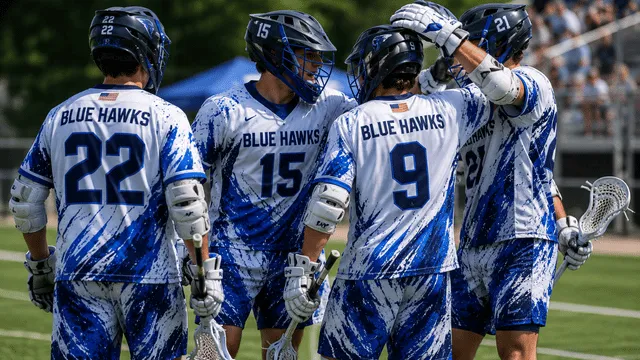
Sublimation Is a Strong Choice If Your Team Wants:
- Full-color, all-over designs
- Detailed patterns and gradients
- Custom names and numbers
- Consistent team branding
- A smooth fabric surface
- Flexible personalization for individual players
- Modern performance-oriented uniforms
Sublimation is particularly useful when your design includes multiple colors, complex graphics, or artwork that needs to extend across different sections of the jersey.
For team programs, sublimation can make it easier to maintain one consistent visual identity across a full roster while still personalizing each player’s name, number, and size.
Consider Another Decoration Method If:
- You prefer a traditional raised or stitched appearance.
- Your design is intentionally simple.
- You specifically want embroidery or tackle twill.
- Your organization has uniform specifications that require another decoration method.
- The visual texture of a traditional application is an important part of your team’s style.
It is also worth considering fabric quality, fit, construction, sizing, and expected usage rather than choosing a jersey based on the decoration method alone.
Ultimately, sublimation is most suitable for teams that value design flexibility, detailed personalization, and a smooth performance-jersey finish. If those priorities match your team, a well-designed sublimated jersey can provide both a distinctive appearance and practical functionality for games and practices.
Conclusion
A sublimated jersey combines detailed customization with the performance characteristics of suitable athletic fabric. The sublimation process infuses dye into polyester rather than creating a separate layer on top, making it particularly useful for full-color artwork, complex patterns, names, numbers, and team branding.
Before ordering, consider more than the design alone. Fabric weight, breathability, fit, construction, sizing, artwork accuracy, and care requirements all contribute to the final result. For teams that want extensive personalization and an integrated, smooth design, sublimation can be a practical choice.
If your team is considering full sublimation, FastCustomJerseys can help you review sport-specific jersey styles, artwork, personalization, and fabric options before production. Start with a free digital mock-up to confirm the design.
Frequently Asked Questions About Sublimated Jerseys
What is the difference between sublimated and printed jerseys?
A sublimated jersey uses heat to infuse dye into suitable polyester fabric, while many traditional printing methods apply ink or another material to the fabric’s surface. Sublimation is especially useful for detailed, full-color and all-over designs.
Are sublimated jerseys durable?
Yes, quality sublimated jerseys can be highly durable for regular sports use. Since the design is integrated into the fabric rather than sitting on top, it is not prone to the same type of peeling or cracking associated with some surface-applied prints. Overall durability also depends on the fabric, stitching, construction, washing, and general use.
Can sublimation be used for different team sports?
Yes. Sublimation can be used for many polyester team jerseys, such as custom baseball jerseys, custom football jerseys, custom basketball jerseys and so on. The garment construction and fit should still be selected for the specific sport and playing environment.
Can you put names and numbers on sublimated jerseys?
Yes. Names, numbers, team logos, and other artwork can be incorporated directly into the sublimated design. This allows teams to create individualized jerseys while maintaining a consistent overall uniform style.
Do sublimated jerseys fade?
A properly produced sublimated design is generally resistant to the fading associated with many surface prints because the dye is integrated into the fabric. However, no garment should be considered completely immune to color change. Fabric quality, dye quality, sunlight exposure, washing, and care practices can all affect long-term color appearance.
Can sublimated jerseys be customized individually?
Yes. Individual names, numbers, and other player-specific details can be incorporated into team orders. This makes custom sublimated jerseys practical for teams that need personalized uniforms while keeping the same overall design across the roster.