






How to Wear a Neck Gaiter: Uses, Tips & Care Guide
Table of Contents
ToggleHow to Wear a Neck Gaiter: Uses, Tips & Care Guide
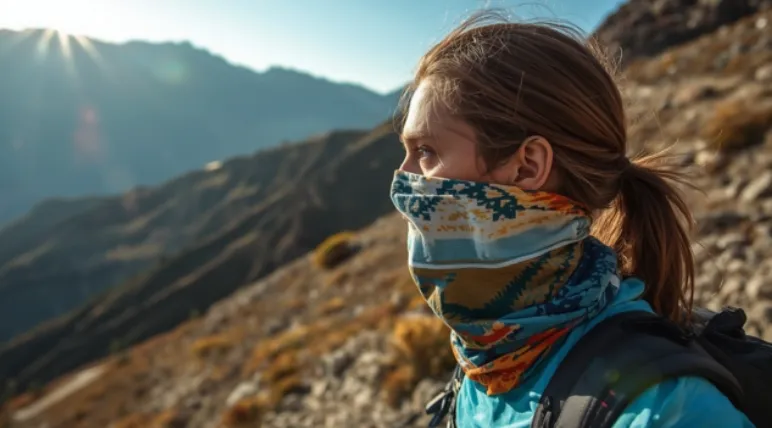
A neck gaiter is one of the most versatile accessories you can add to your outdoor or everyday wardrobe. Whether you’re hiking on a chilly morning, cycling on windy roads, traveling by plane, or looking for lightweight protection from the sun and dust, a neck gaiter can adapt to a variety of situations. Its simple tube-shaped design allows it to be worn in multiple ways, including as a neck warmer, face covering, headband, hood, or beanie.
Despite its popularity, many people still wonder how to wear a neck gaiter correctly, how to keep it from slipping down, and how to care for it properly. The right fit, material, and wearing technique can make a significant difference in both comfort and performance.
In this guide, you’ll learn what a neck gaiter is, how to put it on and fold it, practical ways to keep it secure, whether it works as a mask, how to wash it correctly, and what to look for when buying one. By the end, you’ll know how to get the most comfort, versatility, and value from this simple yet highly functional accessory.
What Is a Neck Gaiter?
A neck gaiter is a stretchable, tube-shaped piece of fabric designed to protect the neck, face, and head from various environmental conditions. Unlike traditional scarves, neck gaiters are lightweight, easy to wear, and can be styled in multiple ways without requiring knots or adjustments.
Originally popular among outdoor enthusiasts and athletes, neck gaiters are now widely used for everyday activities, including commuting, traveling, hiking, cycling, running, and team sports. Their versatility and comfort make them a practical accessory in both warm and cold weather.
What Is a Neck Gaiter Used For?
A neck gaiter serves several purposes depending on how it is worn. It can provide:
- Protection from cold wind and low temperatures
- Coverage from dust, dirt, and airborne particles
- Sun protection during outdoor activities
- Moisture management by absorbing sweat
- Added comfort during hiking, running, and cycling
- Lightweight face and neck coverage while traveling
Because a neck gaiter can be worn in multiple configurations, many people keep one on hand for changing weather conditions and different activities.
Common Materials Used in Neck Gaiters
The material of a neck gaiter significantly affects its comfort and performance.
Material | Best For | Key Benefits |
Polyester | Running, cycling, hiking | Lightweight, moisture-wicking, quick-drying |
Microfiber | Everyday use, sports | Soft, breathable, versatile |
Fleece | Cold weather activities | Excellent insulation and warmth |
Merino Wool | Winter adventures | Temperature regulation and odor resistance |
Performance Blends | Outdoor sports and travel | Stretch, durability, and comfort |
Choosing the right fabric depends on your intended use and the weather conditions you expect to encounter.
Benefits of Wearing a Neck Gaiter
The popularity of neck gaiters comes from their ability to perform several functions with a single accessory.
Versatility
A neck gaiter can be transformed into a neck warmer, face covering, headband, beanie, hood, or wristband in seconds.
Comfort
Most neck gaiters are made from soft, stretchable fabrics that fit comfortably without adding bulk.
Protection
They help shield the skin from cold air, sun exposure, wind, and dust during outdoor activities.
Easy Maintenance
Most neck gaiters are lightweight, machine washable, and quick to dry, making them easy to clean and reuse.
Travel-Friendly Design
Because they are compact and lightweight, neck gaiters can be folded and stored in a pocket, backpack, or travel bag without taking up much space.
Whether you’re an athlete, outdoor enthusiast, or someone looking for practical everyday protection, a neck gaiter offers an easy and convenient way to stay comfortable in different environments.
How to Use a Neck Gaiter
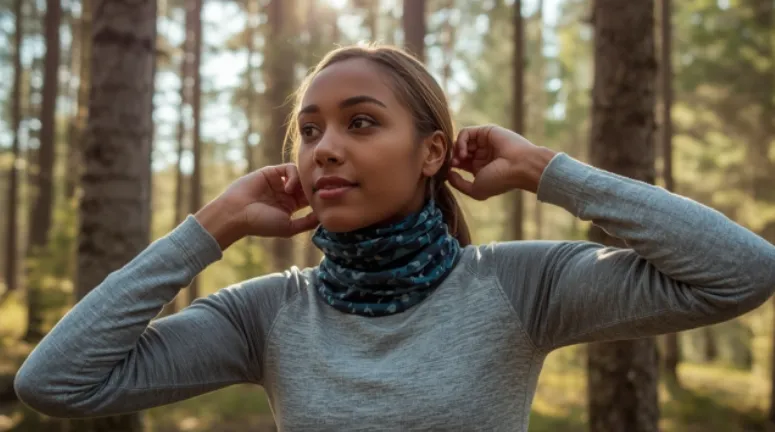
One of the biggest advantages of a neck gaiter is its versatility. A single piece of fabric can be worn in several ways depending on the weather, activity, and level of coverage you need. Whether you’re heading out for a morning run, hiking on a cold day, or traveling, knowing how to use a neck gaiter properly helps maximize both comfort and performance.
How to Put on a Neck Gaiter
Using a neck gaiter is simple. Start by holding the fabric with both hands and stretching the opening slightly before pulling it over your head. Once in place, adjust it according to your preferred style.
Around the Neck
This is the most common way to wear a neck gaiter.
How to wear it:
- Pull the gaiter over your head.
- Position it around your neck.
- Adjust the fabric evenly.
Best for:
- Mild weather
- Everyday use
- Light wind protection
- Commuting and casual outdoor activities
Half Face Cover
Pull the neck gaiter upward to cover your mouth and nose while keeping your neck protected.
Best for:
- Dusty environments
- Windy conditions
- Cycling and running
- Extra warmth during cold weather
Full Face Cover
Extend the gaiter higher to cover the nose, mouth, cheeks, and part of the forehead.
Best for:
- Winter sports
- Cold-weather hiking
- Skiing and snowboarding
- Harsh outdoor conditions
Hood Style
Pull one side of the gaiter over the head while keeping the remaining fabric around the neck.
Best for:
- Chilly mornings
- Wind protection
- Added warmth during outdoor activities
Headband Style
Fold the neck gaiter into a narrower band and wear it around the forehead.
Best for:
- Running
- Gym workouts
- Hiking
- Managing sweat during physical activities
Quick Guide to Wearing Styles
Style | Coverage | Best For |
Neck Warmer | Neck | Everyday use and light warmth |
Half Face Cover | Neck, nose, and mouth | Wind and dust protection |
Full Face Cover | Face and neck | Cold weather activities |
Hood | Head and neck | Extra warmth outdoors |
Headband | Forehead | Sports and sweat control |
How to Fold a Neck Gaiter

Folding a neck gaiter properly makes it easier to store and allows you to create different wearing styles.
For Storage
- Lay the neck gaiter flat.
- Fold it in half lengthwise.
- Fold it once more into a compact rectangle.
- Store it in a pocket, backpack, or travel bag.
For a Headband
- Lay the gaiter flat.
- Fold it horizontally several times until it forms a narrow band.
- Place it around your forehead and adjust for comfort.
For a Double-Layer Neck Warmer
- Fold the gaiter in half.
- Pull it over your head.
- Position the doubled fabric around your neck for added insulation.
Because of its flexible design, a neck gaiter can easily adapt to different activities and weather conditions. Learning a few simple wearing techniques allows you to get far more value from this lightweight accessory than you would from a traditional scarf or face covering.
How to Keep a Neck Gaiter From Slipping Down
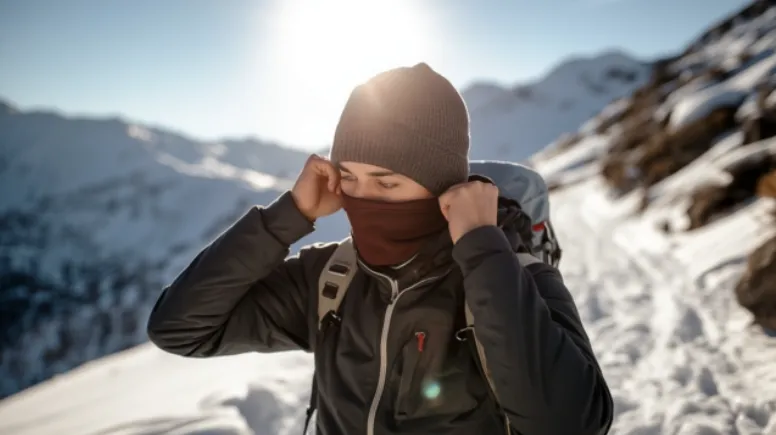
A neck gaiter should stay comfortably in place during daily activities and outdoor adventures. However, constant movement, an improper fit, or the wrong material can cause it to slide down. Fortunately, a few simple adjustments can help keep your neck gaiter secure and comfortable.
Choose the Right Size
Size plays a major role in how well a neck gaiter stays in place. A gaiter that is too loose may constantly slide down, while one that is too tight can feel restrictive.
When choosing a neck gaiter, look for:
- A snug but comfortable fit
- Stretchable fabric that adapts to movement
- Enough length to cover the neck and face properly
- Materials designed for active use
A properly fitted neck gaiter should sit securely without requiring frequent adjustments.
Adjust the Fabric Properly
Even a high-quality neck gaiter can slip if it is not positioned correctly.
For better stability:
- Spread the fabric evenly around your neck
- Avoid twisting the material unnecessarily
- Pull it high enough when using it as a face covering
- Smooth out folds that may cause uneven tension
Taking a few seconds to position the gaiter correctly can significantly improve comfort throughout the day.
Select Stretchable Performance Materials
The fabric of your neck gaiter affects both comfort and performance.
Materials such as polyester blends, microfiber, and performance fabrics are often preferred because they:
- Offer better elasticity
- Maintain their shape after repeated use
- Wick away moisture effectively
- Move naturally with the body
Higher-quality materials are less likely to become loose over time and generally provide a more secure fit during physical activities.
Layer It Correctly With Hats and Helmets
Many people wear neck gaiters while cycling, skiing, hiking, or participating in team sports. Pairing your gaiter with other gear can help keep it in place.
With a Hat
Position the upper edge of the gaiter slightly under the hat to create additional support.
With a Helmet
Tuck the gaiter comfortably beneath the helmet straps while ensuring it does not interfere with visibility or movement.
During High-Activity Sports
Choose a lightweight, moisture-wicking gaiter with four-way stretch to minimize shifting during constant movement.
Common Reasons a Neck Gaiter Slips Down
Issue | Possible Cause | Simple Solution |
Constant slipping | Gaiter is too loose | Choose a smaller size |
Fabric loses shape | Low-quality material | Select performance fabrics |
Slides during exercise | Excessive movement and sweat | Use moisture-wicking materials |
Uneven fit | Incorrect positioning | Adjust the fabric evenly |
Does a Neck Gaiter Work as a Mask?
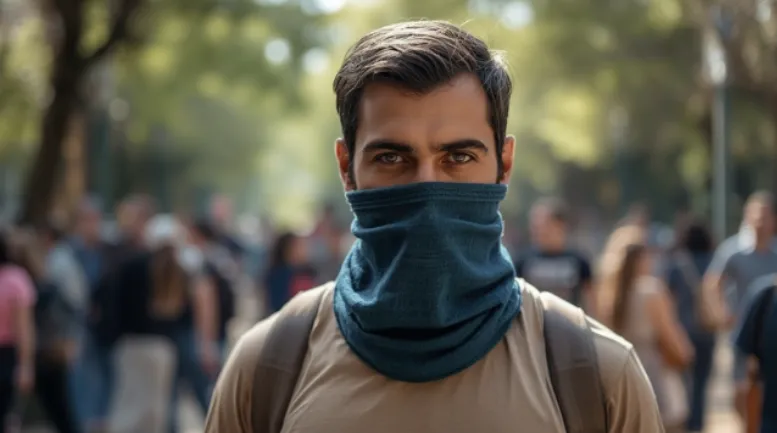
A neck gaiter can function as a face covering in certain situations, but its effectiveness depends largely on the material, construction, and intended use. While many people wear neck gaiters for comfort and convenience, they should not automatically be considered a replacement for every type of face mask.
Situations Where a Neck Gaiter Can Help
When pulled over the nose and mouth, a neck gaiter can provide an additional layer of coverage and help protect against everyday environmental conditions.
A neck gaiter may be useful for:
- Reducing exposure to dust and dirt during outdoor activities
- Providing protection against cold wind and dry air
- Shielding the face from sun exposure
- Adding lightweight coverage while hiking, cycling, or running
- Offering temporary face coverage in crowded outdoor environments
Many outdoor enthusiasts prefer neck gaiters because they are breathable, lightweight, and easy to adjust throughout the day.
Limitations Compared With Traditional Face Masks
Although neck gaiters can provide face coverage, they are designed primarily as multifunctional accessories rather than medical-grade protective equipment.
Material and Construction Matter
The level of protection varies significantly depending on:
- Fabric thickness
- Number of layers
- Material density
- Overall fit around the nose and mouth
A thin, single-layer neck gaiter may provide less filtration than a multi-layer face mask specifically designed for respiratory protection.
Fit Can Affect Performance
Unlike fitted masks, neck gaiters often have a looser design. Gaps around the cheeks or nose may reduce their ability to provide a close facial seal.
Designed for Versatility
Most neck gaiters are intended to provide:
- Warmth
- Moisture management
- Sun protection
- Wind and dust coverage
- Comfort during outdoor activities
Their primary purpose is versatility rather than serving as a substitute for specialized protective masks.
Can You Wear a Neck Gaiter on a Plane?
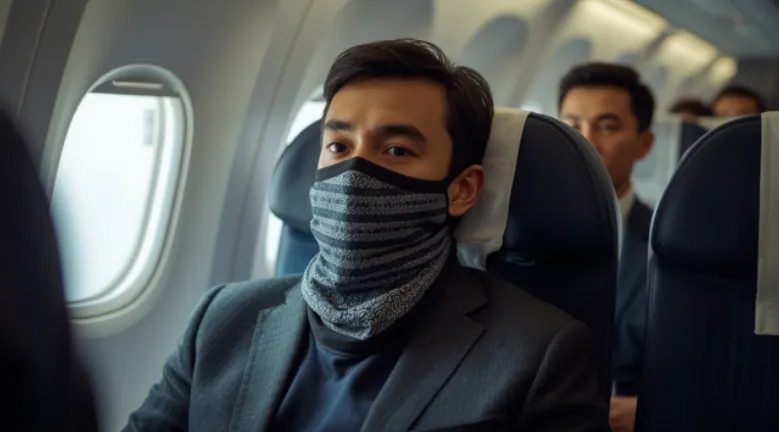
Yes, you can generally wear a neck gaiter on a plane. Many travelers choose neck gaiters because they are lightweight, comfortable, and provide additional warmth during flights. However, airline policies can vary, so it is always a good idea to review your airline’s guidelines before traveling.
Airline Policies and Practical Considerations
Most airlines allow passengers to wear neck gaiters as part of their travel attire. Since travel requirements and health policies can change over time, checking the latest guidelines before your departure can help avoid confusion.
When wearing a neck gaiter during air travel:
- Ensure it fits comfortably without restricting breathing.
- Choose a breathable, moisture-wicking fabric.
- Keep it clean before and after your flight.
- Pack an extra neck gaiter if you’re taking a long trip.
- Follow any specific instructions provided by your airline or airport.
A lightweight, stretchy neck gaiter is often more comfortable during extended travel than bulky scarves or heavy winter accessories.
Why Travelers Use Neck Gaiters During Flights
A neck gaiter can serve several practical purposes during air travel.
Provides Extra Warmth
Airplane cabins can sometimes feel cool, especially during long-haul flights. Wearing a neck gaiter around your neck can provide lightweight insulation without taking up extra space in your carry-on bag.
Easy to Adjust
One of the biggest advantages of a neck gaiter is its versatility. You can quickly reposition it depending on your comfort needs.
For example, it can be worn as:
- A neck warmer
- A light face covering
- A hood for additional warmth
- A headband while resting
Compact and Travel-Friendly
Unlike traditional scarves, neck gaiters are compact and easy to pack. They can be folded into a small size and stored in:
- A jacket pocket
- A backpack compartment
- A carry-on bag
- A personal travel pouch
Useful for Different Travel Conditions
Whether you’re departing from a warm climate or arriving in a colder destination, a neck gaiter adapts easily to changing temperatures and environments.
Travel Need | How a Neck Gaiter Helps |
Cool cabin temperatures | Provides lightweight warmth |
Long flights | Offers comfortable neck coverage |
Limited luggage space | Folds into a compact size |
Changing weather conditions | Can be worn in multiple ways |
How to Wash a Neck Gaiter

Regular cleaning helps maintain the comfort, appearance, and performance of a neck gaiter. Since neck gaiters are often exposed to sweat, dust, sunscreen, and changing weather conditions, proper care can extend their lifespan and keep the fabric fresh and functional.
Before washing, always check the care label because washing instructions may vary depending on the material.
Machine Washing Tips
Most polyester and microfiber neck gaiters are machine washable and require minimal maintenance.
For the best results:
- Use cold or lukewarm water.
- Select a gentle wash cycle.
- Use a mild detergent.
- Wash similar colors together.
- Avoid bleach and harsh chemicals.
Performance fabrics are designed to wick moisture and maintain elasticity. Using gentle washing methods helps preserve these properties over time.
Hand Washing Instructions
Hand washing is an excellent option for fleece, merino wool, and premium performance neck gaiters that require extra care.
Step 1: Prepare the Water
Fill a basin with cool or lukewarm water and add a small amount of mild detergent.
Step 2: Gently Clean the Fabric
Submerge the neck gaiter and gently move it through the water for several minutes. Pay attention to areas exposed to sweat and dirt.
Step 3: Rinse Thoroughly
Rinse the neck gaiter with clean water until all detergent is removed.
Step 4: Remove Excess Water
Gently press the fabric to remove water. Avoid wringing or twisting, as this may affect the shape and elasticity of the material.
Drying and Storage Best Practices
Proper drying is just as important as washing.
Air Dry Whenever Possible
Most neck gaiters dry quickly because they are made from lightweight materials. Lay the gaiter flat or hang it in a well-ventilated area until completely dry.
Avoid High Heat
Excessive heat can damage performance fabrics and reduce elasticity over time.
Avoid:
- High-temperature dryers
- Direct heat sources
- Prolonged exposure to intense sunlight
Store It Properly
Once dry, fold your neck gaiter neatly and store it in a clean, dry place.
Good storage options include:
- A gym bag pocket
- A travel pouch
- A sports equipment organizer
- A dresser drawer
Where to Buy a Neck Gaiter

Neck gaiters are widely available online and in sporting goods stores, but not all products offer the same level of comfort, durability, and performance. The right neck gaiter should match your activities, weather conditions, and personal preferences.
Whether you need a lightweight gaiter for running, an insulated option for winter adventures, or custom designs for your team, taking a few factors into consideration can help you make a better purchase.
What to Look for Before Buying
A high-quality neck gaiter should provide comfort, versatility, and long-lasting performance.
Consider the following features before making a purchase:
- Material: Choose breathable fabrics such as polyester or microfiber for everyday activities and fleece or merino wool for colder temperatures.
- Moisture-Wicking Properties: Performance fabrics help keep sweat away from the skin and improve comfort during physical activities.
- Stretch and Fit: A good neck gaiter should fit snugly without feeling restrictive.
- Durability: Look for high-quality stitching and materials that retain their shape after repeated washing.
- UV Protection: Some neck gaiters offer additional protection against prolonged sun exposure.
Custom Neck Gaiters for Teams and Businesses
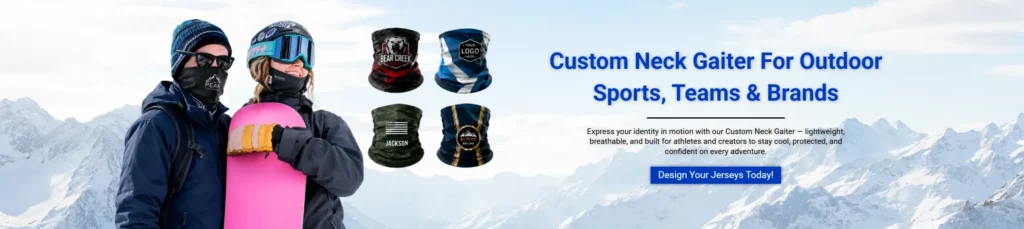
Custom neck gaiters have become increasingly popular among sports teams, schools, businesses, and organizations. They offer both practical functionality and branding opportunities.
Custom neck gaiters can be used for:
- Sports teams and athletic clubs
- Corporate events and promotional campaigns
- School activities and outdoor programs
- Fundraising initiatives
- Employee uniforms and team apparel
Because neck gaiters provide a large printable area, they can easily feature logos, team colors, names, or custom designs.
Why Fast Custom Jerseys Is a Convenient Option
If you’re looking for personalized apparel and accessories, FastCustomJerseys offers custom solutions designed for teams, organizations, and businesses. Pairing custom neck gaiters with matching sportswear can help create a professional and coordinated look.
For example, you can complement custom neck gaiters with:
- Custom hoodies for team events and cooler weather
- Customized sports apparel for tournaments and training sessions
- Branded teamwear for businesses and organizations
Combining custom accessories with coordinated apparel helps strengthen team identity while providing practical, everyday functionality.
Conclusion
A neck gaiter is a simple yet highly versatile accessory that can provide warmth, sun protection, moisture management, and lightweight coverage for a wide range of activities. Whether you’re hiking, cycling, traveling, or simply looking for a comfortable everyday accessory, learning how to wear a neck gaiter properly allows you to get the most out of its functionality.
By understanding different wearing styles, preventing slipping, washing it correctly, and choosing the right material, you can enjoy lasting comfort and performance. If you’re looking for personalized apparel and accessories for your team or organization, pairing custom neck gaiters with quality custom sportswear can help create a professional and coordinated look for any occasion.