



How to Choose a Pickleball Paddle: The Complete Guide for Beginners
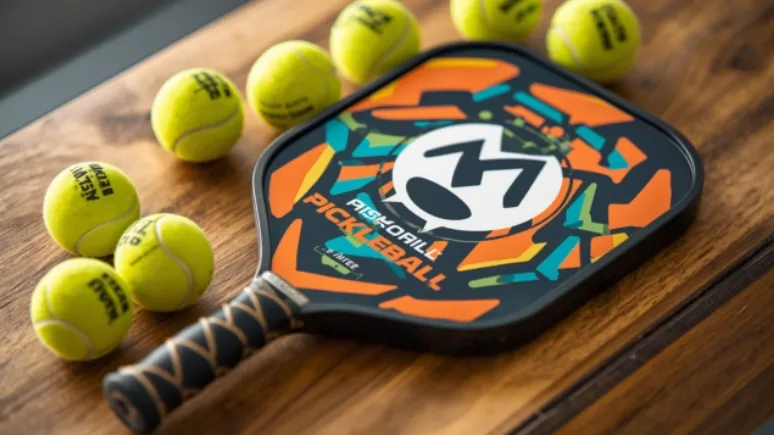
Choosing a pickleball paddle may seem simple at first, but the right paddle can significantly influence your comfort, control, and overall playing experience. With so many pickleball paddles available in different materials, weights, shapes, and price ranges, finding the best option can quickly become overwhelming.
A paddle that feels comfortable in your hand can help improve shot consistency, reduce fatigue, and make learning the game more enjoyable. On the other hand, selecting a paddle that does not match your playing style may limit control and make it more difficult to develop confidence on the court.
Whether you are buying your very first pickleball paddle or considering an upgrade, understanding the differences between paddle materials, sizes, weights, and performance features is essential. This guide explains everything you need to know, including whether pickleball paddles matter, what pickleball paddles are made of, how much they cost, what size paddle you need, and how beginners can confidently choose the right paddle for their game.
Do Pickleball Paddles Matter?
Absolutely. While skill, practice, and strategy are essential to becoming a better player, the pickleball paddle you use can significantly influence how comfortable and confident you feel on the court. Different pickleball paddles are designed to deliver varying levels of control, power, forgiveness, and spin, which directly affects your overall playing experience.
Choosing the right paddle does not automatically make someone an advanced player, but it can make learning easier, improve consistency, and help players perform at their best. This is why beginners and experienced players alike spend time finding a paddle that matches their playing style and preferences.
How the Right Paddle Impacts Performance
Control and Shot Accuracy
Paddles with a larger sweet spot and balanced construction provide better control, making it easier to place shots accurately. Players often find that a paddle designed for control helps reduce mishits and encourages more consistent play during serves, dinks, and volleys.
Power and Ball Speed
Heavier paddles typically generate more power because they transfer greater momentum to the ball. Players who enjoy aggressive drives and put-away shots often prefer paddles that provide additional power. However, extra power usually comes with reduced maneuverability, which is why balance is important.
Comfort and Reduced Fatigue
The weight and grip size of a pickleball paddle play a major role in comfort. A paddle that feels too heavy may cause arm fatigue during longer matches, while an uncomfortable grip can place unnecessary strain on the hand and wrist. Selecting a paddle that feels natural in your hand helps improve endurance and makes playing more enjoyable.
Spin Potential
Modern pickleball paddles often feature textured surfaces that increase friction between the paddle and the ball. These surfaces can help players create more topspin and backspin, giving them additional control over shot placement and ball movement.
Can a Better Paddle Improve Your Game?
A better paddle cannot replace proper technique or regular practice, but it can create a more comfortable and forgiving playing experience.
For beginners, a paddle with a generous sweet spot and balanced weight can make it easier to develop proper mechanics and build confidence. For intermediate and advanced players, paddle characteristics become even more important because small differences in weight, shape, and surface texture can affect precision and shot selection.
Think of a pickleball paddle as a tool. The right tool will not play the game for you, but it can make every shot feel more natural and help you perform more consistently. Choosing a paddle that matches your skill level and playing style is often one of the most worthwhile investments a pickleball player can make.
What Are Pickleball Paddles Made Of?
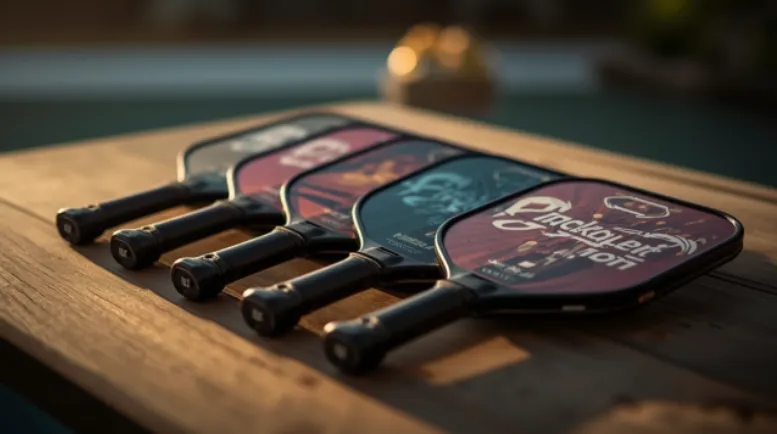
Pickleball paddles are made from different face and core materials, and each combination affects weight, control, power, and comfort. Most modern pickleball paddles use one of three face materials: wood, composite, or graphite/carbon fiber.
Main Pickleball Paddle Materials
|
Material |
Weight |
Performance |
Best For |
|
Wood |
Heavy |
Basic control and power |
Casual players and beginners |
|
Composite |
Medium |
Balanced control and power |
Recreational and intermediate players |
|
Graphite/Carbon Fiber |
Light |
Excellent control and responsiveness |
Frequent and competitive players |
Wood Pickleball Paddles
Wood paddles are the most affordable and durable option, making them ideal for occasional play and beginners.
Pros:
- Budget-friendly
- Highly durable
- Great for recreational use
Cons:
- Heavy
- Can cause arm fatigue
- Less responsive than modern paddles
Are Wood Pickleball Paddles Good?
Yes, if you are new to the sport or play occasionally. However, regular players often prefer lighter paddles that offer better comfort and control.
Composite Pickleball Paddles
Composite paddles offer a blend of power, control, and durability, making them one of the most versatile choices.
Best for:
- Recreational players
- Beginners looking to improve
- Players who want balanced performance
Graphite and Carbon Fiber Pickleball Paddles
Graphite and carbon fiber paddles are lightweight and highly responsive. They provide excellent control and quick maneuverability, making them popular among frequent players.
Best for:
- Frequent players
- Intermediate and advanced players
- Players seeking greater precision and spin
Common Paddle Core Materials
|
Core Material |
Feel |
Best For |
|
Polymer |
Soft and forgiving |
Beginners and recreational players |
|
Nomex |
Firm and powerful |
Aggressive players |
|
Aluminum |
Soft and controlled |
Players who prioritize touch and accuracy |
What Size Pickleball Paddle Do I Need?
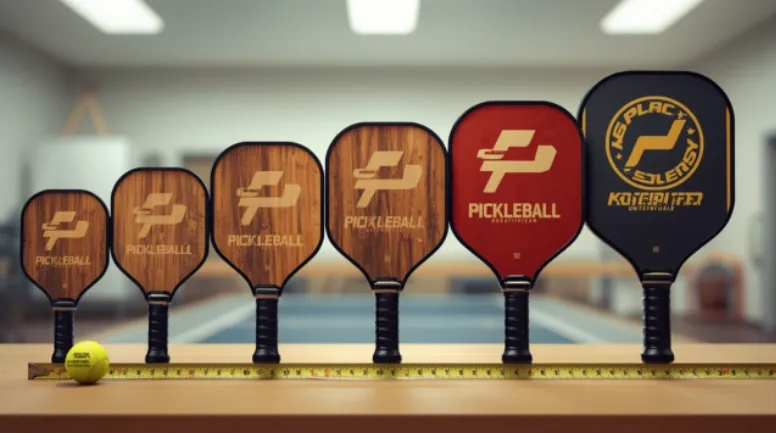
The right pickleball paddle size comes down to three factors: weight, grip size, and paddle shape. Choosing a paddle that feels comfortable in your hand can improve control, reduce fatigue, and make the game more enjoyable.
Paddle Weight
- Lightweight (Under 7.3 oz): Easy to maneuver and ideal for control-focused players.
- Midweight (7.3-8.3 oz): Offers the best balance of power and control, making it suitable for most players.
- Heavyweight (Over 8.3 oz): Generates more power but can feel less agile during quick exchanges.
Expert Tip: Most beginners are best served by a midweight paddle because it provides a comfortable mix of control and power.
Grip Size
A proper grip size helps you maintain control and reduces strain on your hand and wrist.
- Smaller grips (4″–4.125″) suit players with smaller hands.
- Medium grips (around 4.25″) fit most adult players.
- Larger grips (4.5″ and above) are better for players with larger hands.
If you’re unsure, choose a slightly smaller grip since you can always add an overgrip for extra thickness.
Paddle Shape
|
Paddle Shape |
Best For |
|
Wide-Body |
Beginners who want a larger sweet spot and more forgiveness |
|
Elongated |
Players seeking extra reach and power |
|
Hybrid |
Players who want a balance of reach and forgiveness |
How Much Are Pickleball Paddles?
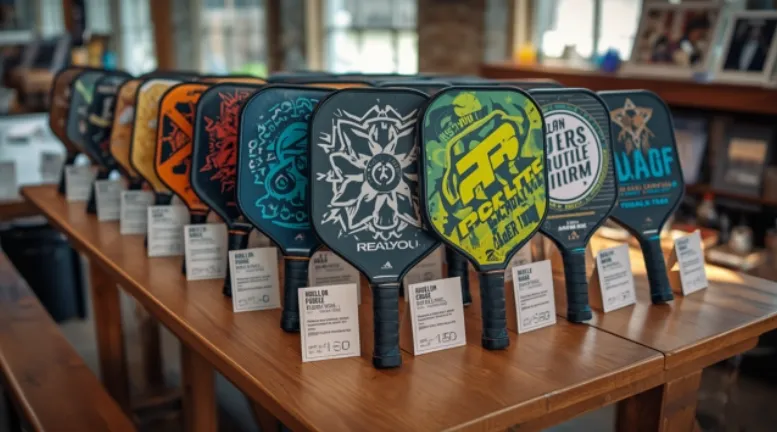
Pickleball paddles come in a wide range of prices, and the cost usually reflects the materials, technology, and performance features.
|
Price Range |
What to Expect |
Best For |
|
$20-$50 |
Basic wood or entry-level composite paddles |
Beginners and casual players |
|
$50-$120 |
Better materials, improved control, and comfort |
Recreational and intermediate players |
|
$120-$250+ |
Premium construction, advanced spin technology, and enhanced performance |
Frequent and competitive players |
What Affects the Price of a Pickleball Paddle?
Several factors influence how much pickleball paddles cost:
- Materials: Carbon fiber and graphite paddles generally cost more than wood or basic composite models.
- Core Technology: Premium cores are designed to improve control, power, and vibration absorption.
- Brand Reputation: Established brands often charge more for advanced engineering and performance testing.
- Special Features: Textured surfaces, larger sweet spots, and enhanced durability can increase the price.
Is an Expensive Paddle Worth It?
Not always. If you’re just learning the game, an entry-level or mid-range paddle is usually enough to develop your skills and discover your playing style.
However, players who play frequently may benefit from investing in a higher-quality paddle that offers greater comfort, consistency, and long-term durability.
What Is the Best Pickleball Paddle?
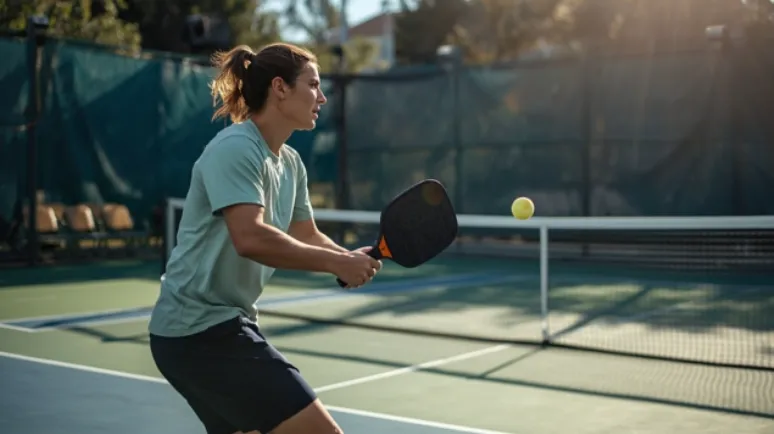
There is no single best pickleball paddle for everyone. The right choice depends on your skill level, playing style, and personal preferences. A paddle that works perfectly for one player may not feel right for another.
What Makes a Great Pickleball Paddle?
Look for a paddle that offers:
- A comfortable grip size
- A weight that feels easy to maneuver
- A generous sweet spot for consistent shots
- Durable materials that match your playing frequency
- The right balance of power and control
Which Paddle Is Best for Most Players?
For most recreational players, a midweight composite or graphite paddle with a polymer core offers the best combination of comfort, control, and versatility. It is forgiving enough for beginners while still providing the performance needed as your skills improve.
How to Choose a Pickleball Paddle for Beginners
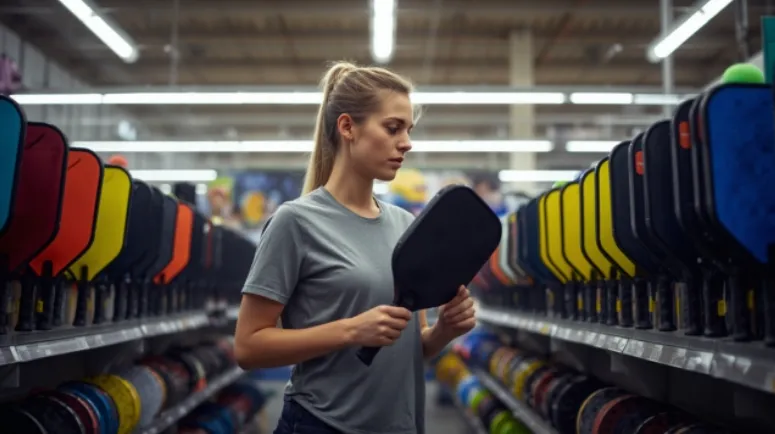
Buying your first pickleball paddle does not have to be complicated. Instead of focusing on advanced features, prioritize comfort, control, and ease of use.
1. Start With a Midweight Paddle
A paddle weighing between 7.3 and 8.3 ounces provides a good balance of power and control. It is also comfortable enough for longer playing sessions.
2. Choose a Comfortable Grip Size
Your grip should feel secure without requiring excessive pressure. A grip that is too large or too small can lead to discomfort and reduced control.
3. Prioritize Control Over Power
As a beginner, developing proper technique is more important than generating maximum power. A paddle with a larger sweet spot and forgiving feel will help you make more consistent shots.
4. Look for Durable Materials
Composite and graphite paddles are excellent choices because they offer a combination of comfort, responsiveness, and long-term durability.
5. Set a Realistic Budget
You do not need the most expensive paddle to enjoy the game. A quality paddle in the $50-$120 range is more than enough for most beginners.
Beginner Paddle Checklist
Before buying your first pickleball paddle, look for these features:
- Midweight design (7.3-8.3 oz)
- Comfortable grip size
- Wide-body shape with a larger sweet spot
- Composite or graphite face
- Polymer core
- Budget between $50 and $120
Where to Buy Pickleball Paddles
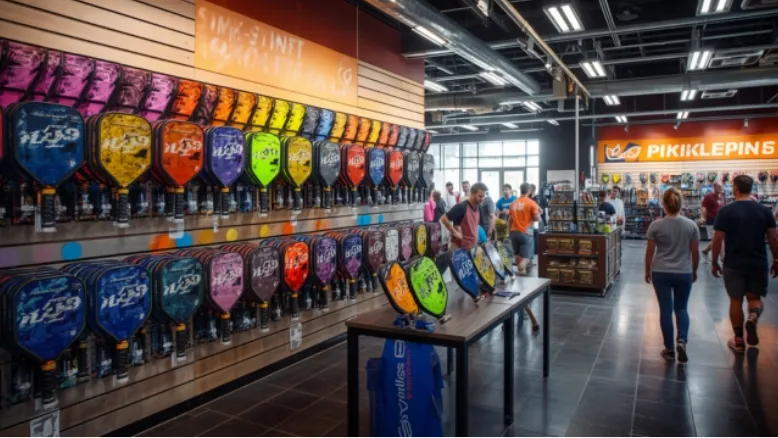
You can buy pickleball paddles from local sporting goods stores, specialty pickleball retailers, and online stores. The best option depends on whether you want to try a paddle in person or compare a wider range of choices.
Local Sporting Goods Stores
Shopping in-store allows you to hold different paddles and compare their weight and grip size before making a purchase.
Best for:
- First-time buyers
- Players who want to feel the paddle before buying
- Immediate purchases
Specialty Pickleball Retailers
Specialty retailers often carry a larger selection of paddles and can provide more detailed recommendations based on your skill level and playing style.
Best for:
- Recreational and competitive players
- Buyers looking for expert guidance
- Players seeking specific paddle features
Buying Pickleball Paddles Online
Online shopping gives you access to a wide range of Custom Pickleball Paddles, along with customer reviews and detailed product information, helping you compare options and choose the perfect paddle for your game.
Benefits of buying online:
- Wider product selection
- Easy price comparisons
- Access to reviews and buying guides
- Convenient home delivery
If you enjoy pickleball as part of a team or community, Custom Arm Sleeves can be a great addition to your game, offering performance benefits while showcasing your team’s unique style. At FastCustomJerseys, players and teams can find high-quality custom jerseys and athletic wear designed for comfort, performance, and a professional look on and off the court.
Conclusion
Choosing the right pickleball paddle comes down to understanding a few key factors: materials, weight, grip size, shape, and budget. While there is no single paddle that works for everyone, selecting one that matches your skill level and playing style can significantly improve comfort and confidence on the court.
For most beginners, a midweight paddle with a comfortable grip, a polymer core, and a forgiving sweet spot is an excellent starting point. As your skills develop, you can explore paddles that offer more specialized performance features.
The best pickleball paddle is ultimately the one that feels right in your hand and helps you enjoy every game. Take the time to compare your options, choose a paddle that fits your needs, and focus on having fun while improving your skills.