



Table of Contents
ToggleAre Sports Towels Good for Wiping?
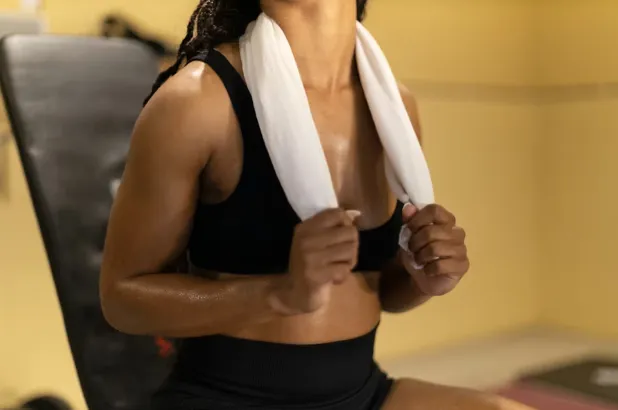
You’ve seen them clipped to gym bags, tucked into golf carts, and draped over the shoulders of runners. Sports towels are everywhere, but not all of them are equal. If you’ve ever grabbed a regular bath towel for a workout and ended up with a heavy, larger towel, you already know why these specialized towels exist. This text breaks down what makes a waffle digital printing hook custom towels different, how to personalize one with embroidery, how to keep it clean, and where to get one with a logo.
What Is a Waffle Digital Printing Hook Sports Towel?
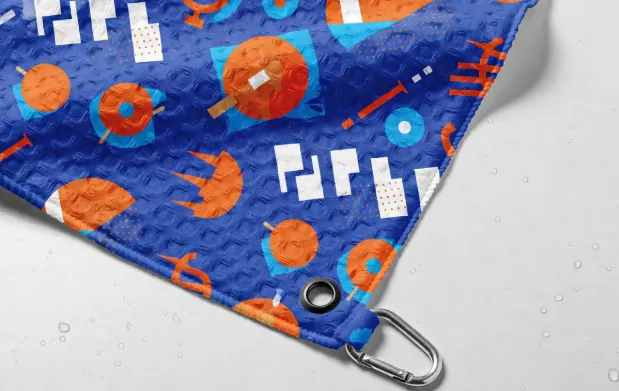
The name packs a lot in. Break it down piece by piece, and it starts to make sense. The surface of these towels is woven in a grid of raised squares, the same honeycomb shape you’d see on a waffle iron. That texture isn’t just visual. The waffle weave creates a larger surface area with pockets that pull water away from the skin faster than a flat-woven fabric can. The result: a towel that dries you faster and then dries itself faster.
Most waffle sports towels are made from microfiber, typically 80% polyester and 20% polyamide. Microfiber sports towels carry a 350 GSM (grams per square meter) weight with hemmed edges and dry faster than standard cotton towels. The fibers are extremely fine, roughly 1/100th the thickness of a human hair, which is what gives them the ability to trap moisture so efficiently. Sport towels made with microfiber or cotton-polyester blends can absorb up to three times their weight in water, making them far more capable than a standard bath towel during intense training sessions.
Unlike screen printing, which applies ink through a mesh stencil, digital sublimation printing transfers full-color designs directly into the fabric using heat. This means logos, photos, and multi-color artwork come out sharp and don’t peel or crack after washing. The color bonds with the fibers rather than sitting on top of them.
A grommet and metal or carabiner hook is reinforced into one corner of the towel. This is a corner attachment point that lets you clip the towel to a golf bag, gym equipment, or belt loop so it’s available without having to dig for it. For sports use, that small detail matters more than it sounds. Together, these features give you a towel that’s lighter and more compact than cotton, absorbs sweat effectively during a gym session or round of golf, attaches where you need it, and carries a brand or team logo without looking faded after a season.
How to Embroider a Sports Towel
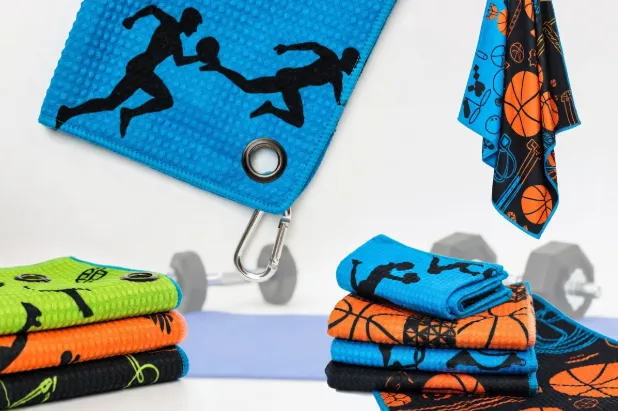
Embroidery adds a different kind of personalization than printing. A stitched logo or monogram has texture, sits above the fabric surface, and holds up through many more washes than most printed alternatives. That said, towel embroidery is one of the trickier fabrics to work with because the looped pile can swallow stitches if you don’t account for it. Below is a step-by-step guide on how to embroider a sports towel.
- Before threading a needle, wash and dry your towel. Fabric shrinks slightly the first time it’s washed. Embroider on an unwashed towel, and the design may pucker or distort after the first laundry cycle. Iron the embroidery area flat once it’s dry.
- Mark your placement, and fold the towel lengthwise to find the center. It is recommended to mark placement lines with a water-soluble pen. For sports towels with grommets, position the design centered horizontally, about half an inch below the grommet.
- Use the right stabilizer, this is where most beginners go wrong. Terry cloth and waffle weave fabrics need a tear-away or wash-away stabilizer beneath the towel, plus a water-soluble topper placed on top of the embroidery area. The topper stops stitches from sinking into the pile. Without it, fine details disappear into the fabric texture.
- Hooping a thick sports towel directly can crush the pile and leave visible hoop marks. Instead, hoop only the stabilizer, spray temporary adhesive on it, and press the towel on top. This is called the adhesive floating technique and describes it as the standard approach for thick or oversized towels.
- 40-weight polyester embroidery thread works well on most towels. It’s durable, wash-resistant, and holds color. Use a size 11 needle for standard towels, a size 14 for extra-thick fabric. Increase your design’s fill density by 10 to 20% compared to what you’d use on flat woven fabric, so the stitches don’t disappear into the loops.
- After stitching, remove basting stitches with snips. Dissolve any water-soluble topper by dampening with cold water. Peel away the tear-away stabilizer carefully while holding the stitches. Use tweezers to clear any small remaining pieces.
How to Wash Sports Towels
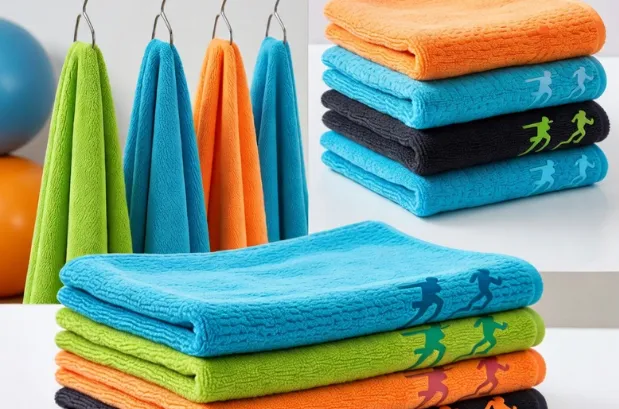
Microfiber sports towels last hundreds of washes when you wash them correctly. Wash them the wrong way a few times, and they lose their absorbency, pick up lint, or start to smell permanently. The rules are consistent across manufacturers.
Always check the care label, that’s the first step, not an afterthought. Specific towels can have specific instructions, and it takes five seconds to check. Wash separately, because microfiber acts like a magnet for lint and debris. Note that cotton and other natural-fibre fabrics shed, and those particles cling to microfiber and reduce its effectiveness. Keep sports towels in their own wash load.
When cleaning microfiber towels, you should avoid fragranced detergents and fabric softener as these formulas can coat the fibers and reduce the cloth’s cleaning capabilities. A tablespoon of white vinegar in the wash cycle helps with odor without damaging the fibers.
Use cold water for lightly used towels, warm water for towels that have absorbed a lot of sweat or grime. Always run a gentle or delicate cycle. Heavy agitation isn’t necessary and shortens the towel’s life. High heat can melt or damage the synthetic fibers. No dryer sheets, which have the same clogging effect as fabric softener. Air drying in shade, rather than direct sunlight, is the safest option for preserving the color of any printed or embroidered design. Turn embroidered towels inside out before washing. This protects the thread surface from direct abrasion during the wash cycle and keeps the stitching looking crisp longer.
One thing worth adding is that if your sports towel has developed a persistent smell even after washing, soak it for 15 to 30 minutes in a basin of warm water with half a cup of white vinegar before the regular machine wash. This breaks down the bacteria that cause odor rather than masking them. Microfiber Wholesale confirms that well-maintained microfiber towels can last over 300 washes without losing absorbency, which makes the care routine worth sticking to.
Where Can I Order Sports Towels with a Logo?
There’s a real difference between ordering a generic towel and ordering one that actually reflects your team, club, or business. If a friend came back from a tournament and showed you a towel with a full-color logo that still looked sharp after months of use, you’d want to know where they got it.
That’s exactly the kind of product you’ll find at Custom Sports Towel. Their waffle sports towels use digital sublimation printing for edge-to-edge color, come with the hook-and-grommet attachment, and are available for teams, events, gyms, and businesses.
When ordering custom towels with a logo, a few things matter:
- Print method: Sublimation holds color through repeated washing far better than heat transfer for most sports applications.
- Fabric weight: 350 GSM is the standard for sports use. Below that, the towel won’t absorb enough; above it, it takes too long to dry.
- File format: Submit vector artwork (PDF, AI, or EPS) where possible. It scales without losing sharpness.
- Proof approval: Always approve a digital proof before production starts.
- Minimum order quantities: Check these before requesting samples, so you know your order size qualifies for the pricing shown.
- Lead time: Most custom sports towel suppliers work on a 5 to 10 business-day production window, plus shipping. Factor this in if you’re ordering for an event.
Custom sports towels also work well beyond sports teams. Gyms use them as merchandise, corporate wellness programs issue them as branded gifts, and event organizers include them in race or tournament packs. A well-made towel with a clean logo gets used repeatedly, which means your branding stays visible every session.
Conclusion
Sports towels earn their place in a kit bag for straightforward reasons: they dry faster, pack smaller, attach where you need them, and hold a logo cleanly. The waffle weave and microfiber construction aren’t marketing language. They’re the reason the towel works.
If you want one embroidered, the key steps are pre-washing, floating over stabilizer, using a water-soluble topper, and adjusting stitch density for the pile. If you’re washing one, keep it away from cotton, skip the softener, and air dry when you can. And if you’re ready to order something with your own branding, the FastCustomJerseys custom towel range is worth looking at. The same quality you’d expect from a trusted sports gear supplier, applied to a product your team will actually use every session.