





Table of Contents
ToggleThe Ultimate Guide to Baseball Uniforms: Everything You Need to Know
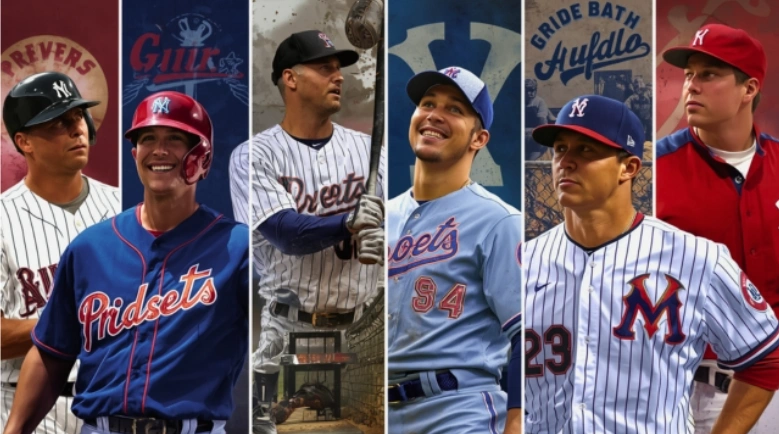
Baseball uniforms are more than just team apparel; they represent identity, performance, and tradition. Whether you’re a coach building a youth team, a player upgrading your gear, or someone curious about how professional uniforms work, understanding the details behind baseball uniforms can make a big difference.
From the meaning behind jersey numbers to the materials that enhance performance, every element of a baseball uniform serves a purpose. Yet, many guides online barely scratch the surface leaving important questions unanswered like what the numbers mean, how often uniforms are replaced, or what truly makes a high-quality uniform.
In this ultimate guide, we’ll break down everything you need to know from materials and costs to customization and where to order the best baseball uniforms, so you can make confident, informed decisions including choosing high-quality Custom Mesh Baseball Uniforms.
What Are Baseball Uniforms?
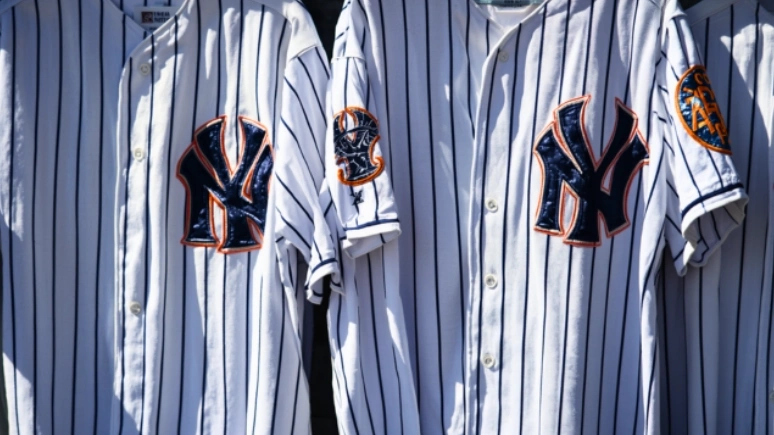
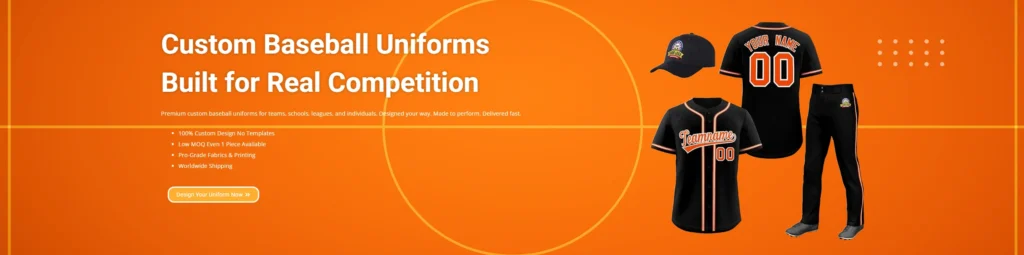
A baseball uniform is a complete set of clothing worn by players during games and practice. It’s designed not only for appearance but also for performance, comfort, and team identity.
Key Components of a Baseball Uniform
A standard baseball uniform typically includes:
1. Jersey
The jersey is the most recognizable part of the uniform.
- Displays the team name, logo, and player number
- Made from breathable, lightweight fabric
- Can be fully customized for teams
- Pants
Baseball pants are built for durability and flexibility.
- Designed to handle sliding and movement
- Usually made with reinforced stitching
- Available in different styles (knicker, full-length)
- Cap
The baseball cap is iconic and functional.
- Shields eyes from sunlight
- Represents team branding
- Often features embroidered logos
- Socks & Accessories
These complete the uniform and enhance performance.
- Socks (high or low styles)
- Belts
- Undershirts
Why Baseball Uniforms Matter
A good baseball uniform isn’t just about looks it directly impacts:
- Performance: Lightweight and breathable fabrics help players stay cool
- Confidence: A well-designed uniform boosts team morale
- Identity: Teams stand out with unique colors and branding
- Durability: High-quality uniforms last longer and perform better
What Do Numbers on Baseball Uniforms Mean?
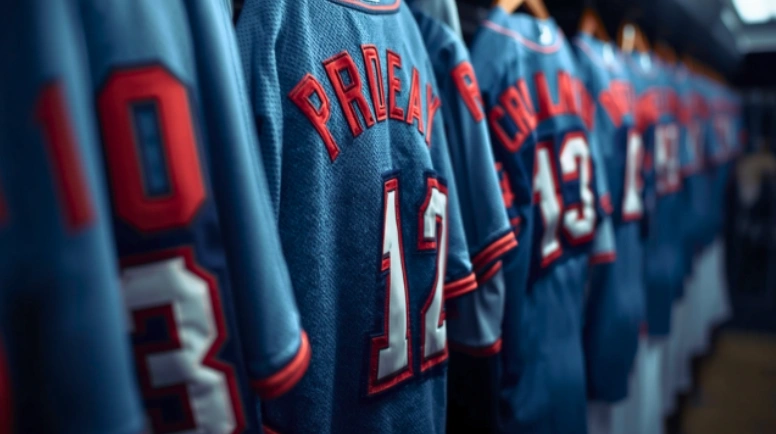
At first glance, numbers on baseball uniforms may seem like simple identifiers but in reality, they carry deep meaning, history, and emotional significance within the sport.
While every player is assigned a number for identification, certain numbers have become symbols of legacy and respect, recognized across all levels of baseball.
What Is the 21 on Baseball Uniforms?
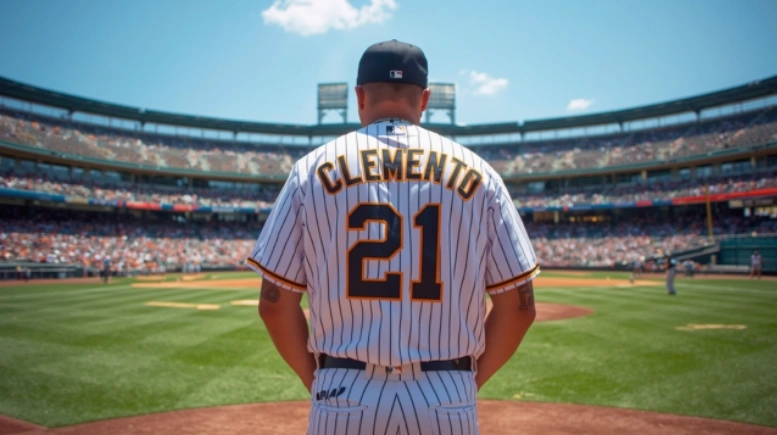
The number 21 is strongly associated with Roberto Clemente, one of baseball’s most admired players.
- Clemente wore #21 throughout his career
- He is remembered not only for his talent but also for his humanitarian efforts
- On Roberto Clemente Day, many players wear #21 to honor his legacy
Quick Answer:
The number 21 on baseball uniforms represents Roberto Clemente and is worn as a tribute to his legacy, especially during commemorative events.
What Are the 4 on Baseball Uniforms Today?
The number 4 honors Lou Gehrig, a legendary figure in baseball history.
- Lou Gehrig wore #4 during his career
- He became a global symbol of strength after being diagnosed with ALS
- MLB observes Lou Gehrig Day, where players honor him and raise awareness
Quick Answer:
The number 4 on baseball uniforms honors Lou Gehrig and is used to promote awareness for ALS during special events.
The Role of Numbers in Baseball
Beyond tributes, uniform numbers play a crucial role in the game:
- Player Identification: Makes it easy to track players on the field
- Team Structure: Each player is assigned a unique number
- Legacy Recognition: Iconic numbers are often retired permanently
What Are Baseball Uniforms Made Of?
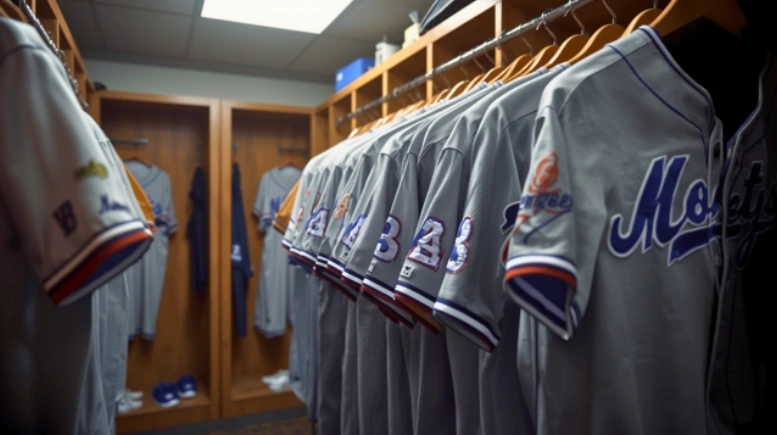
The material of a baseball uniform plays a critical role in performance, comfort, and durability. Whether you’re choosing uniforms for a team or customizing your own, understanding the fabric will help you avoid common mistakes and get the best value.
Modern baseball uniforms are designed using advanced synthetic materials that balance breathability, flexibility, and long-term wear.
Most Common Materials Used in Baseball Uniforms
1. Polyester (Industry Standard)
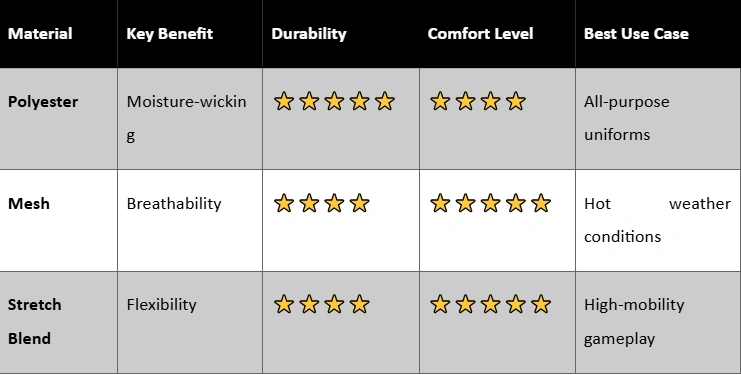
Polyester is the most widely used fabric in baseball uniforms and for good reason.
- Lightweight and breathable
- Moisture-wicking (keeps sweat away)
- Highly durable and resistant to wear
- Easy to wash and maintain
Best For: Competitive teams, regular use, long seasons
- Mesh Fabric (Enhanced Ventilation)
Mesh is often used in jerseys to improve airflow, especially in hot conditions.
- Allows maximum breathability
- Keeps players cool during intense games
- Often combined with polyester
Best For: Summer leagues, high-performance play
- Stretch Blends (Flexibility & Comfort)
Stretch fabrics are designed to improve movement and fit.
- Provides flexibility for running, sliding, and swinging
- Enhances overall comfort
- Often used in pants and fitted jerseys
Best For: Players who prioritize mobility and comfort
Material Comparison Table
Why Material Choice Matters
Choosing the right material directly impacts:
- Player Performance: Breathable fabrics reduce fatigue
- Durability: High-quality materials last through tough gameplay
- Comfort: Prevents irritation and overheating
- Appearance: Maintains shape and color after multiple washes
How to Choose the Best Baseball Uniform
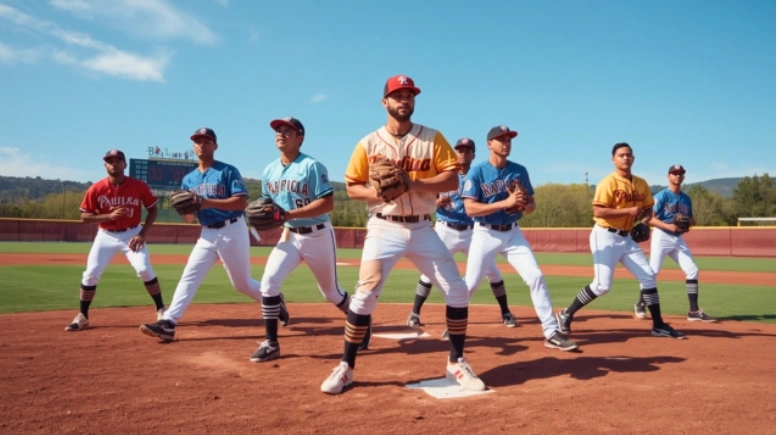
Choosing the right baseball uniform isn’t just about appearance it’s about finding the perfect balance between performance, durability, comfort, and team identity.
If you’re wondering “what is the best baseball uniform?”, the answer depends on a few key factors that experienced teams always consider.
1. Fabric Quality Comes First
The foundation of any great uniform is its material.
- Look for moisture-wicking polyester or mesh blends
- Ensure the fabric is breathable and lightweight
- Avoid cheap materials that trap heat or fade quickly
Pro Tip: A high-quality fabric will outperform even the best-looking design.
2. Fit & Comfort Matter More Than You Think
A poorly fitted uniform can affect performance on the field.
- Choose a fit that allows full range of motion
- Ensure pants are flexible for sliding and running
- Avoid overly tight or excessively loose designs
Comfort directly impacts confidence and gameplay.
3. Customization & Team Identity
Your uniform should reflect your team’s personality, especially when investing in custom team uniforms.
- Add logos, names, and numbers
- Choose colors that stand out
- Maintain consistency across all players
Strong branding builds team unity and recognition.
4. Durability & Stitching Quality
Baseball is a high-impact sport, so uniforms must last.
- Look for reinforced stitching
- Check fabric thickness and resistance to wear
- Ensure colors don’t fade after washing
5. Value for Money
The best uniform isn’t always the most expensive, it’s the one that delivers long-term value.
- Balance price with durability
- Consider how often the uniform will be used
- Invest in quality if playing regularly
Expert Insight (What Most Buyers Miss)
Many teams make the mistake of choosing uniforms based only on design. However, experienced buyers focus on:
- Fabric performance
- Long-term durability
- Supplier reliability
This approach saves money and avoids frequent replacements.
How Many Uniforms Do Baseball Players Have?
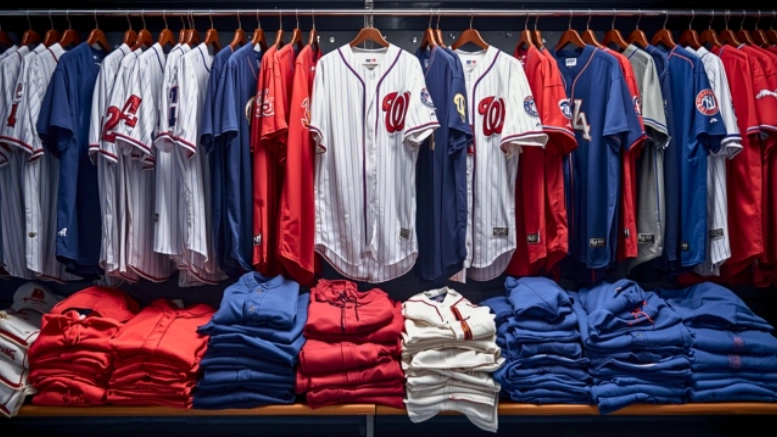
The number of uniforms a baseball player has can vary widely depending on the level of play from youth leagues to professional teams. While it may seem simple, this topic reveals a lot about how the game is structured behind the scenes.
Professional Players (MLB Level)
At the professional level, players typically have multiple uniforms for different occasions.
Common types include:
- Home Uniforms (usually white)
- Away Uniforms (typically gray or colored)
- Alternate Jerseys (special designs or colors)
- Throwback Uniforms (used during special events)
In total, MLB players may rotate between 3 to 6 different uniforms throughout a season.
Youth & Amateur Players
For non-professional teams, the number is usually more limited:
- 1 Game Uniform (standard set)
- 1 Practice Uniform (optional)
Most youth players have 1–2 uniforms, depending on budget and team resources.
Practice vs Game Uniforms
Many teams separate uniforms based on usage:
- Practice Uniforms: Designed for durability and frequent washing
- Game Uniforms: Higher quality, used for official matches
This helps extend the lifespan of the main uniform.
Why Players Need Multiple Uniforms
There are several practical reasons:
- Game Scheduling: Frequent matches require clean uniforms
- Branding & Events: Special jerseys for promotions or awareness days
- Performance: Different designs for comfort in varying conditions
How Often Do Baseball Players Get New Uniforms?
The frequency of getting new baseball uniforms depends largely on the level of play, budget, and usage intensity. From professional leagues to local teams, uniform replacement follows very different patterns.
Professional Players (MLB Level)
At the professional level, uniforms are replaced much more frequently than most people expect.
- Players often receive multiple fresh uniforms throughout the season
- Uniforms are regularly cleaned, rotated, and replaced when worn out
- Special events (like tribute days or alternate jersey games) introduce new designs
In many cases, players may wear a different cleaned or new uniform almost every game.
Youth & Amateur Teams
For youth leagues and amateur teams, uniform replacement is less frequent and more budget-driven.
- Typically 1 new uniform per season
- Some teams reuse uniforms for multiple seasons
- Replacement happens when uniforms become damaged or no longer fit
Key Factors That Affect Replacement Frequency
Several factors determine how often uniforms are replaced:
- Game Frequency: More games = faster wear and tear
- Fabric Quality: Higher quality materials last longer
- Budget: Teams with higher budgets replace uniforms more often
- Player Growth (Youth): Kids outgrow uniforms quickly
Why This Matters for Buyers
Understanding replacement cycles helps you make smarter purchasing decisions:
- Investing in durable, high-quality uniforms reduces long-term costs
- Choosing the right material prevents frequent replacements
- Custom uniforms should balance style + longevity
How Much Do Baseball Uniforms Cost?
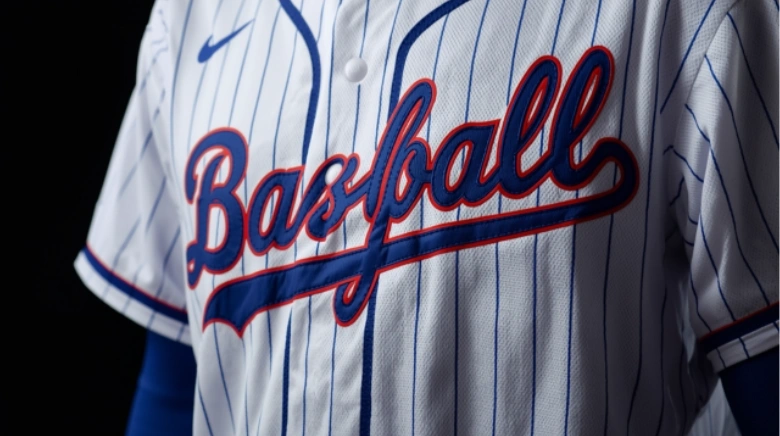
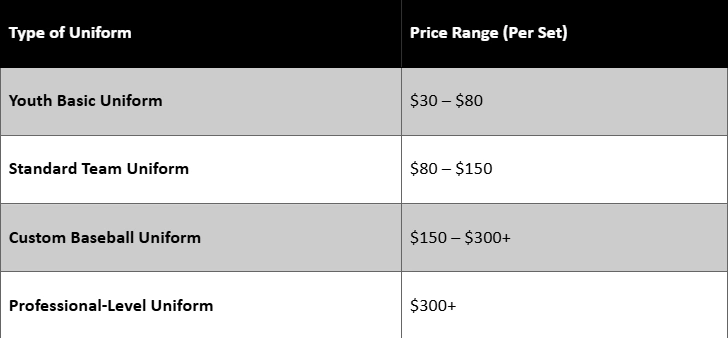
The cost of baseball uniforms can vary significantly depending on quality, customization, and level of play. Whether you’re buying for a youth team or ordering custom uniforms, understanding pricing helps you make a smarter investment.
Average Cost of Baseball Uniforms
Here’s a general breakdown of what you can expect:
What Affects the Cost?
Several key factors influence how much you’ll pay:
1. Material Quality
- Premium fabrics (moisture-wicking, stretch blends) cost more
- Cheap materials wear out faster
2. Customization Level
- Adding logos, names, and numbers increases cost
- Advanced printing or embroidery raises pricing
3. Quantity Ordered
- Bulk team orders often reduce cost per uniform
- Single custom orders are usually more expensive
- Brand & Supplier
- Established brands charge more for reputation and quality
- Custom manufacturers offer flexible pricing options
Cheap vs Premium: What’s Worth It?
- Cheap uniforms: Good for short-term or practice use
- Mid-range uniforms: Best balance of cost and durability
- Premium uniforms: Ideal for competitive teams and long seasons
Smart Tip:
Investing slightly more in quality uniforms can save money over time by reducing replacement frequency.
Where to Order Baseball Uniforms
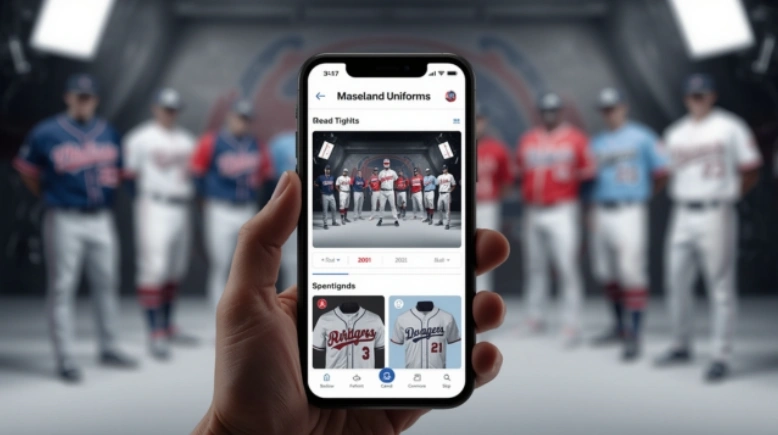
Once you understand materials, cost, and quality, the next step is choosing where to order baseball uniforms. This decision directly impacts your experience from design flexibility to final product quality.
Best Places to Order Baseball Uniforms
1. Custom Uniform Websites (Best Overall Option)
Custom platforms allow you to design your own baseball uniform exactly the way you want.
- Full control over colors, logos, and numbers
- Multiple fabric and style options
- Ideal for teams looking for a unique identity
This is the most recommended option for both teams and individuals.
2. Sports Apparel Retailers
These stores offer ready-made uniforms with limited customization.
- Faster delivery
- Standard designs
- Suitable for casual or practice use
3. Local Suppliers & Team Vendors
Some teams prefer working with local vendors.
- Personalized service
- Easier communication
- Limited variety compared to online platforms
How to Make Custom Baseball Uniforms
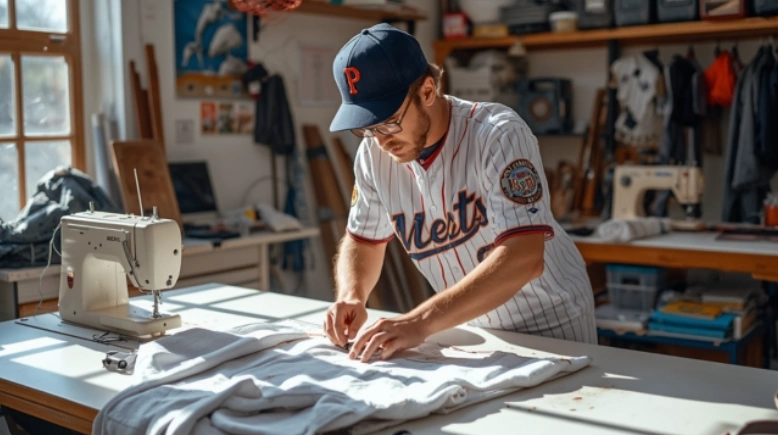
Designing custom baseball uniforms may seem complicated, but with the right approach, it’s actually a simple and rewarding process. Whether you’re creating uniforms for a team or personal use, following a clear step-by-step method ensures you get the perfect result.
Step-by-Step Process to Create Custom Baseball Uniforms
1. Choose Your Base Style
Start by selecting the overall look of your uniform:
- Jersey type (button-up, pullover, etc.)
- Pant style (full-length or knicker)
- Color scheme
This sets the foundation for your entire design.
2. Select the Right Fabric
Material choice is critical for performance and durability.
- Go for polyester or mesh blends for breathability
- Choose stretch fabrics for better mobility
- Ensure the material suits your playing conditions
3. Add Team Branding
This is where your uniform comes to life:
- Team name and logo
- Player names and numbers
- Sleeve patches or additional details
Strong branding creates a professional and unified look.
4. Pick Customization Method
Different printing methods affect both quality and cost:
- Sublimation printing: Long-lasting and vibrant
- Screen printing: Cost-effective for bulk orders
- Embroidery: Premium and durable
5. Finalize Fit & Sizes
Make sure every player gets the right fit:
- Use size charts carefully
- Consider comfort and movement
- Double-check measurements before ordering
6. Place Your Order
Once everything is finalized:
- Review design details
- Confirm pricing and delivery time
- Place bulk or individual order
Common Mistakes to Avoid
- Choosing design over comfort
- Ignoring fabric quality
- Not checking size charts properly
- Rushing the customization process
Conclusion
Baseball uniforms are more than just apparel they combine performance, identity, and tradition. From materials and durability to cost and customization, every detail plays a role in making the right choice. Platforms like FastCustomJerseys help teams design high-quality uniforms that meet both performance and branding needs.
Choosing the right uniform means focusing on quality, fit, and long-term value to enhance both gameplay and team confidence.
- Comfort during play
- Long-lasting durability
- Strong team identity
- Real value for money
When these elements align, uniforms deliver consistent performance and a professional look while reducing the need for frequent replacements.