






Table of Contents
ToggleHow to Design Team Uniforms: A Complete Guide for Modern Teams
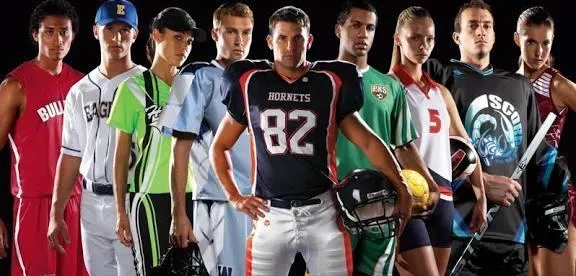
Designing team uniforms goes beyond choosing colors and placing a logo since it represents a team on and off the field. It shapes player confidence, strengthens team composure, and affects how fans and opponents perceive a team.
Fastcustomjerseys approach modern teams’ uniform design strategically. Especially now that sports content spreads through photos, videos, and social media. Uniforms appear everywhere, not just on game day. Every design decision sends a message.
Understanding the Purpose of Team Uniforms
Before using design tools or selecting fabrics, teams must understand why uniforms matter. Uniforms serve both practical and emotional purposes. In the modern game, uniforms create a sense of belonging and shared identity. Every design choice depends on this foundation. Uniforms visually separate teams and also help officials, fans, and players recognize a brand instantly.
Why Uniform Design Matters More Than Ever
Team uniforms symbolize unity and professionalism. They show that every player belongs to the same group. This connection builds trust and improves morale. Players often perform better when they feel united. Uniforms also act as branding tools in any kind of sport. A well-designed uniform improves visibility and memorability. Consistent visuals strengthen long-term recognition.
Aligning Uniform Design With Team Goals
Every team has different goals, and competitive teams may prioritise performance and intimidation. Youth or recreational teams often focus on comfort and fun. Design choices should clearly reflect these priorities. Clear goals prevent confusion later when designing a team’s uniform.
Teams should discuss budget, usage frequency, and lifespan early. These factors affect fabric, printing, and color choices. Also, long-term planning reduces redesign costs, just like how focused goals always save time and money.
Building a Strong Uniform Design Concept

Once the purpose is clear, teams can develop a design concept. This stage blends creativity with identity. A clear concept guides every visual decision. It ensures consistency across all uniform pieces. Without it, designs feel random. A strong concept keeps teams aligned, reduces internal disagreements, and simplifies revisions. Intentional concepts feel natural. Weak concepts cause confusion and delays.
Defining Your Team Identity
Uniforms should visually tell the team’s story. Identity can come from history, location, values, or attitude. Some teams, like Real Madrid, emphasize tradition with their white color. Above all, it must feel authentic. Logos, colors, and symbols must align. Mixed messages weaken impact, while consistent elements build recognition.
Choosing the Right Colour Palette
Bright colours communicate energy and confidence. Dark tones suggest strength and discipline. Neutral shades feel classic and professional. Teams should limit primary colours to two or three, as high contrast improves number visibility. They should also consider lighting, since it affects how colours appear during games. It is important to test colors to prevent mistakes. Consistency across seasons strengthens branding.
Selecting the Best Fabric and Materials for Team Uniforms
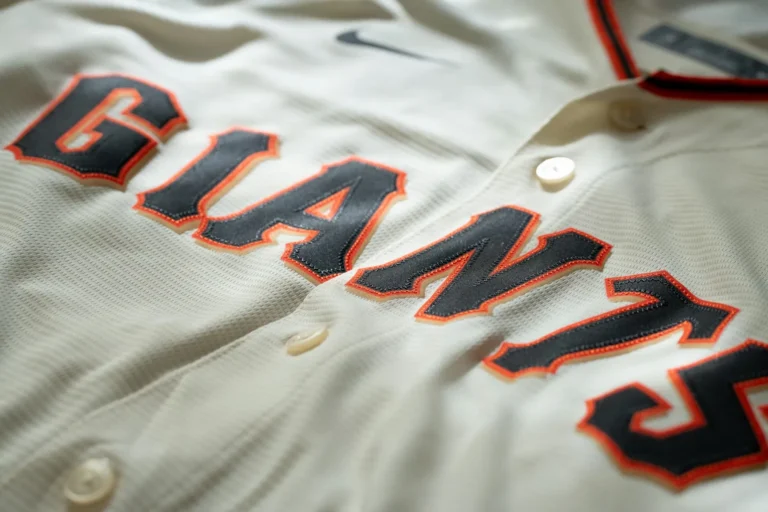
Modern sports require lightweight and breathable fabrics. Stretch improves movement, and durability ensures long-term use. Fabric choices must match the sport’s physical demands. And remember, poor fabric undermines even the best design.
Performance Fabrics vs Traditional Materials
Most modern team uniforms use polyester blends. These fabrics wick moisture efficiently. They dry faster than cotton and retain colour well over time. Yet, different sports stress the fabric differently. Contact sports need tougher materials, while endurance sports need lighter options. Designers must consider movement patterns first and use fabric that should never restrict performance.
Durability and Long-Term Use
Strong stitching prevents early wear, similar to how quality dyes resist fading. This is necessary because durability protects investment, especially over the long haul. From what we noticed over the years, long-lasting materials often reduce replacement costs.
Designing for Comfort, Fit, and Player Movement

Comfort directly affects performance since a poor fit distracts players. Tight areas restrict movement, while loose areas irritate. Designers must consider age groups and competition levels as youth teams need flexibility, while competitive teams prefer precision fits.
Athletic Fit vs Regular Fit Uniforms
Athletic fits feel streamlined and modern. They reduce excess fabric and are the best suits for competitive teams. They work well for casual or youth teams. Offering size samples reduces errors as body types vary widely. Inclusive sizing improves satisfaction and comfort, which should always guide final decisions.
Typography, Numbers, and Name Placement
Clear typography improves visibility and professionalism. Officials rely on readable numbers, and it helps fans identify players quickly. Poor text design causes confusion. Clean typography feels intentional. Designers must consider distance and motion. Fonts must remain legible. High contrast improves clarity. Placement affects recognition.
Choosing Readable Fonts for Team Uniforms
Simple sans-serif fonts perform best. They stay readable in motion. Decorative fonts reduce clarity, but clean lines improve recognition. Bold font weights photograph better as thin fonts disappear from a distance. Readability should be a top priority when designing a uniform.
Number Size and Placement Rules
Most leagues enforce numbering rules. These rules vary by sport. Ignoring them causes redesigns, which waste time and money. Always confirm regulations early. Back numbers usually remain the largest while front numbers appear smaller. Sleeves offer optional placement.
Logos, Sponsors, and Branding Elements
Logos define identity, and sponsors add value. Balance keeps uniforms clean. Overcrowding reduces clarity as simplicity improves professionalism. Remember, branding should support the team and should never overpower it.
Balancing Design and Sponsorship
Sponsors should complement the uniform. Colours should align naturally, and placement must remain readable. Too many sponsors create clutter. As a result, limiting sponsor count improves aesthetics.
Strategic Logo Placement for Visual Impact
Chest logos feel traditional while sleeve placements feel modern. Shoulder placements add visibility. Each choice changes perception. Consistency across all uniform pieces builds cohesion. Photos look cleaner, recognition improves, and professionalism increases.
Printing Methods and Production Techniques
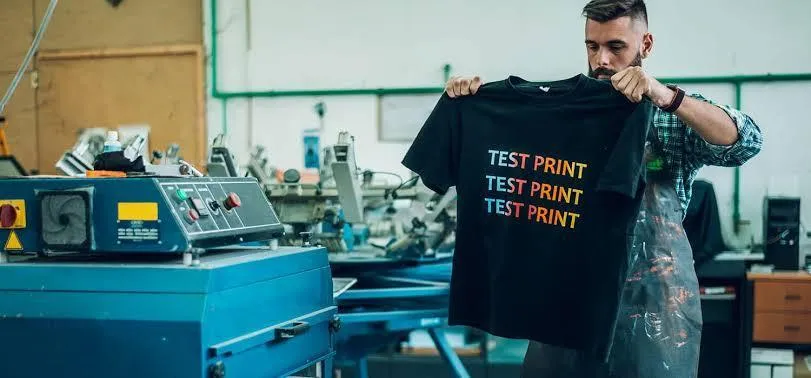
Production methods affect appearance and durability. From our experience, we can tell you that printing technique matters. Some methods suit complex designs, while others suit simplicity. Understanding options prevents disappointment. Quality production extends a uniform lifespan and protects investment.
Sublimation Printing vs Screen Printing
Sublimation embeds ink into fabric while ensuring the designs remain lightweight. Colours stay vibrant, and cracking does not occur. It is most suited for detailed designs. Screen printing, on the other hand, applies ink to fabric. It works for simple layouts, as over time, prints may fade, especially since heat affects durability.
Embroidery and Hybrid Customization
Embroidery adds texture and prestige. It adds weight and suits logos well. Hybrid approaches, on the other hand, combine techniques. With this, teams balance durability and comfort. Their designs also offer flexibility. A smart combination of these two improves quality.
Budgeting and Cost Planning for Custom Team Uniforms
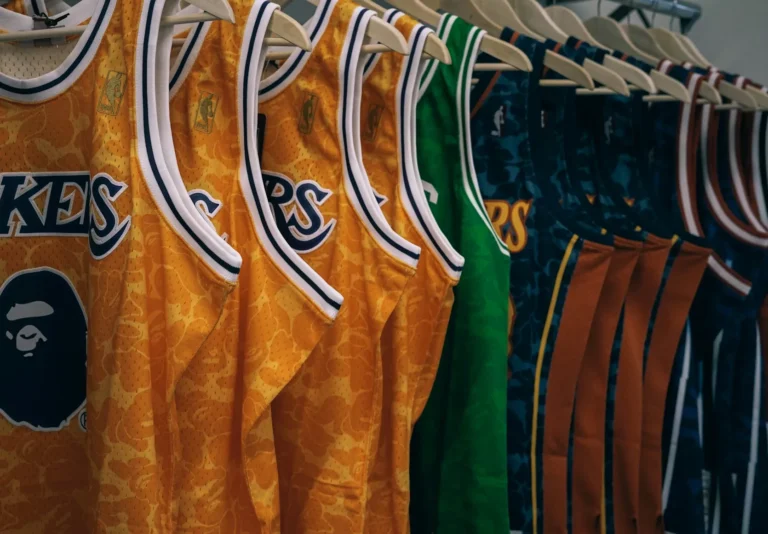
Budget planning prevents surprises, because uniform costs vary widely. Fabric, customization, and quantity affect pricing. Early planning saves money as bulk orders reduce unit cost, but rush orders increase fees. Transparency helps teams plan confidently.
What Affects Team Uniform Costs
Material quality influences pricing, and design complexity adds cost. Production timelines affect fees. Order volume and shipping costs also contribute to the cost. Understanding these factors helps teams prioritize.
Avoiding Hidden Uniform Design Costs
Hidden costs often appear late, and rush fees increase totals. Therefore, clear communication matters. Double-checking approvals saves money, and prevention always wins. Below are some hidden factors to consider:
- Sizing errors cause reorders.
- Late changes delay delivery.
- Careful review prevents issues.
- Mockups reduce surprises. Clear communication.
Working With a Reliable Custom Uniform Provider

The right provider simplifies the entire process. Experience matters as proper guidance improves outcomes. Providers should feel like partners. They should explain options clearly and support decisions. With Fastcustomjerseys, you get all you need to create the best uniform at the most affordable price ever.
Why Experience in Team Jersey Manufacturing Matters
Experienced providers understand league and competition rules. They know sizing standards and guide fabric choices to prevent common mistakes. Their insight saves time. Teams often prefer providers with multi-sport experience, like custom football jerseys.
What to Look for in a Custom Uniform Partner
Reliable partners offer transparent pricing. They communicate clearly, provide design support, and deliver consistent quality. Teams often rely on peer recommendations. Shared experiences feel honest, and proven providers always stand out.
Caring for Team Uniforms After Delivery
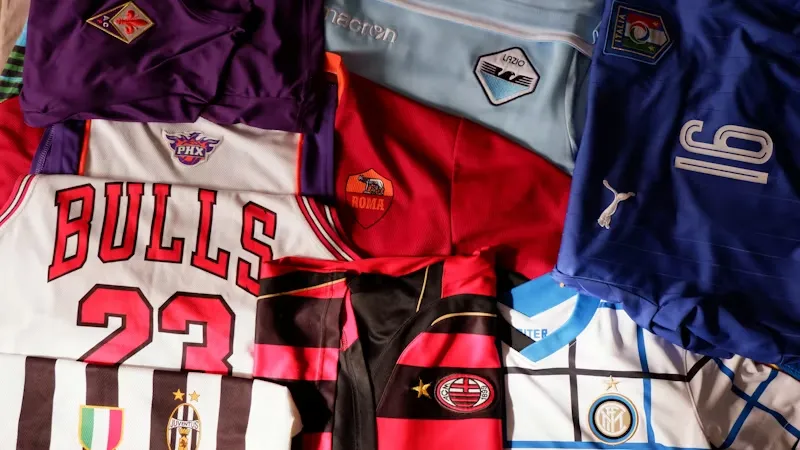
Proper care extends uniform life, and educating players on proper care reduces wear. On the other hand, rotation improves longevity.
- Washing and Maintenance Best Practices: It is good to use cold water as it preserves fabric. Ignoring care leads to fading, shrinkage and can lead to damage. Gentle cycles reduce damage, air drying protects prints, and low heat extends lifespan.
- Storage and Rotation Strategies: Proper storage reduces stress, and hanging prevents wrinkles. Also, folding protects the shape.
Common Mistakes to Avoid in Team Uniform Design
Uniform design mistakes can waste time, increase costs, and reduce player satisfaction. Being aware of common pitfalls helps teams plan better, save resources, and create custom team uniforms that look great and feel comfortable.
Overcomplicating the Design
- Using too many colors overwhelms viewers.
- Excessive font styles reduce readability.
- Busy patterns age poorly over time.
- Simple designs last longer and remain versatile.
- Clean layouts photograph better across platforms.
- Minimalism improves brand recognition.
- Simple designs feel professional and intentional.
- Teams creating custom football jerseysbenefit most from focusing on minimalism and clarity.
Ignoring Player Comfort
- Comfort directly affects player performance.
- Discomfort distracts players during competition.
- Poor fit lowers confidence and reduces focus.
- Heat and restricted movement affect stamina.
- Comfortable uniforms improve range of motion.
- Player feedback should guide design choices.
- Prioritizing comfort ensures better overall results.
- When designing custom team uniforms, always test fit and materials for comfort.
Rushing the Design Process
- Hasty decisions often lead to mistakes.
- Skipping planning increases costs and revisions.
- Lack of review may result in misaligned branding.
- Overlooking testing and feedback reduces satisfaction.
- Taking time ensures proper fit, color, and layout.
- Preparation prevents unnecessary errors and frustration.
- Plan your custom team uniform orders carefully to avoid rushed mistakes.
Final Thoughts: Designing Team Uniforms That Last
Designing team uniforms requires a blend of creativity and strategy. It requires planning and attention to detail. Every choice matters. Great uniforms build pride and unity. When teams focus on identity, comfort, and performance, results improve, players feel confident, and fans recognize teams instantly.
FastCustomJerseys offers samples, which helps to reveal issues early, and feedback improves outcomes. Skipping this step causes problems. Once production begins, changes cost more. Carefully review before production begins, as this saves time and cost.