









Table of Contents
ToggleThe Complete Size Guide for Custom Jerseys

When you decide to go for a custom jersey, getting the right size adds to its beauty. Jerseys fit differently from everyday clothing, and one small mistake can affect comfort, performance, and confidence. This guide text explains sizing in clear terms and simple steps. By the end, you will know exactly how to choose the right fit for any custom jersey.
How Custom Jerseys Fit Differently From Regular Clothing
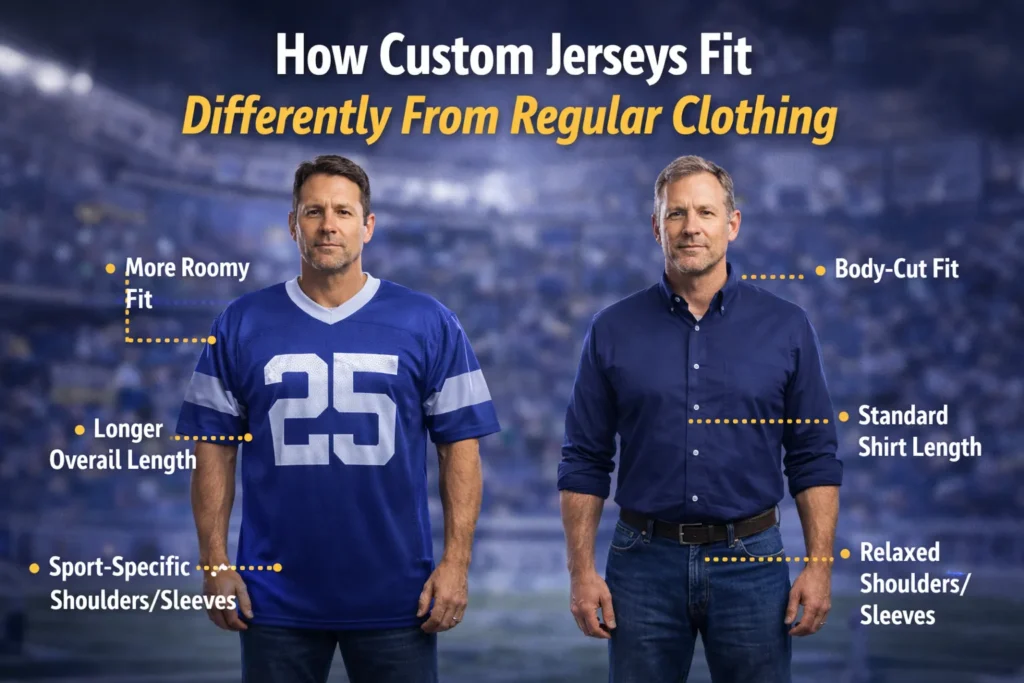
Custom jerseys follow different sizing rules. They are designed for activity, not casual wear. That difference changes how their measurements translate into real-world fit. For example, most jerseys allow more room in the chest and shoulders. This space supports movement and airflow. Casual shirts, on the other hand, often follow a tighter fashion-based cut. Jerseys also vary by sport, as a football jersey fits differently from a basketball jersey. Understanding this difference prevents common ordering mistakes.
Understanding Jersey Size Charts
Size charts are the foundation of proper ordering. They show measurements, not guesses. A size chart lists chest width, body length, and sometimes sleeve length. These numbers reflect the garment itself, not the body alone.
Comparing these measurements to a well-fitting jersey you already own works best. Always review the specific chart provided by the manufacturer, since they are not universal. A medium from one supplier may not match another.
Taking Measurements Correctly
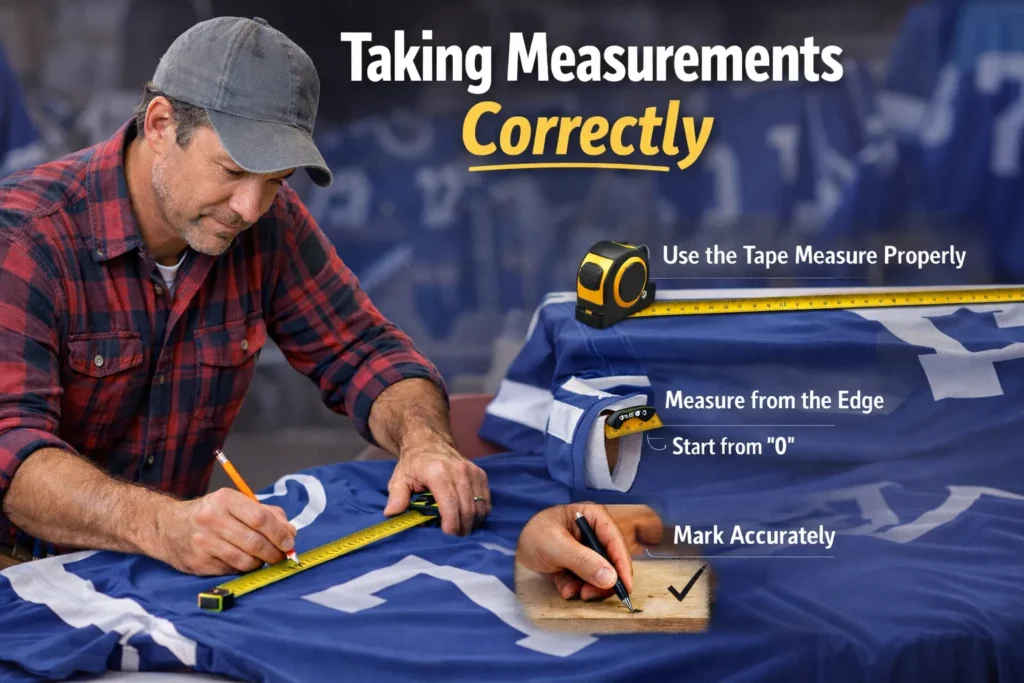
Accurate measurement is the key to getting the perfect sizing. This step deserves care and attention. To obtain a precise result, a flexible tape measure is the best option. Start by measuring the chest as it’s the widest point. Keep the tape level and relaxed. Do not pull it too tight. Next, measure torso length. Start at the top of the shoulder and go down to the desired hem. Repeat each measurement twice to confirm accuracy.
Measuring for Team Orders
Team orders introduce new challenges. Each player has different preferences and body types. One size does not fit all. Ask each person to measure themselves. Avoid guessing based on height or weight alone. Those estimates often lead to poor results. Create a shared sizing form. Collect measurements, not just size labels. This method reduces returns and delays.
Men’s Custom Jersey Sizing Explained
Men’s jerseys focus on shoulder width and chest room. They support strength and upper-body movement. It must follow a straight cut. A standard fit allows layering underneath. This feature matters in colder climates or contact sports. A tighter fit may restrict motion. Men should size up if they prefer a relaxed feel. Alternatively, they should size down only if the chart confirms a close athletic cut.
Women’s Custom Jersey Sizing Explained
Women’s jerseys follow different proportions. They often taper at the waist and shorten the torso slightly. This design improves comfort and shape. Always use a women-specific size chart. Avoid ordering smaller men’s sizes as a substitute. That approach rarely fits well. Bust measurement matters most. Hip and length measurements also help to ensure a balanced fit.
Youth and Kids’ Jersey Sizing
Youth sizing requires extra care. Children grow quickly. Comfort and flexibility matter more than precision. Choose a size that allows light growth room. Avoid oversized jerseys that affect movement or safety. Some suppliers offer age-based guides. Still, measurements remain the most reliable method for youth orders. Balance is something to always strive for here.
Choosing the Right Fit Style

Fit style plays a major role in how a jersey feels, performs, and looks on the body. The right choice improves comfort, supports movement, and boosts your confidence. Understanding the differences between each style makes it easier to select a fit that matches your needs.
Slim Fit
- Designed to hug the body closely for a streamlined appearance.
- Reduces excess fabric, helping minimize drag during fast movements.
- Ideal for performance-driven players and competitive sports.
- Enhances a modern, athletic look.
- Offers limited room for layering, making it better for warm weather or indoor play.
Regular Fit
- Allows more freedom for movement across the shoulder.
- Provides a balanced cut that’s neither too tight nor too loose.
- Works well for a wide age group and body types.
- Allows light layering, such as compression shirts.
Sport-Specific Jersey Sizing Considerations
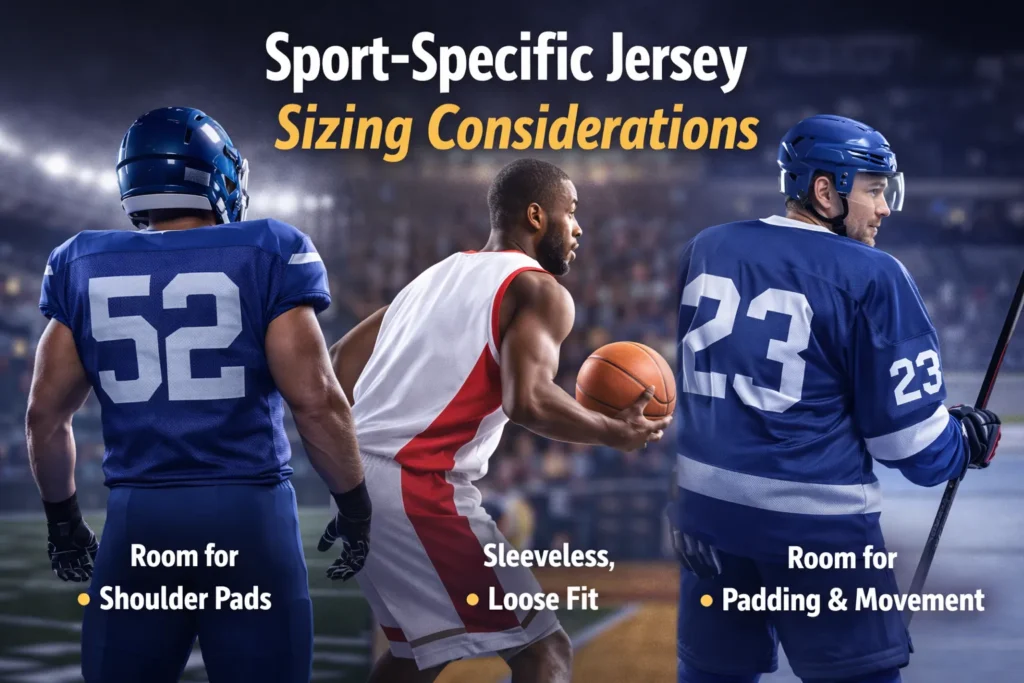
Each sport places unique demands on jerseys. Ignoring these needs leads to discomfort. Sizing should reflect the sport’s movement patterns. From our experience, football jerseys often run larger. Pads and protective gear require extra space. Many players in the sport size up intentionally. However, basketball jerseys allow more arm freedom. Length matters more than width.
Football Jersey Sizing Tips
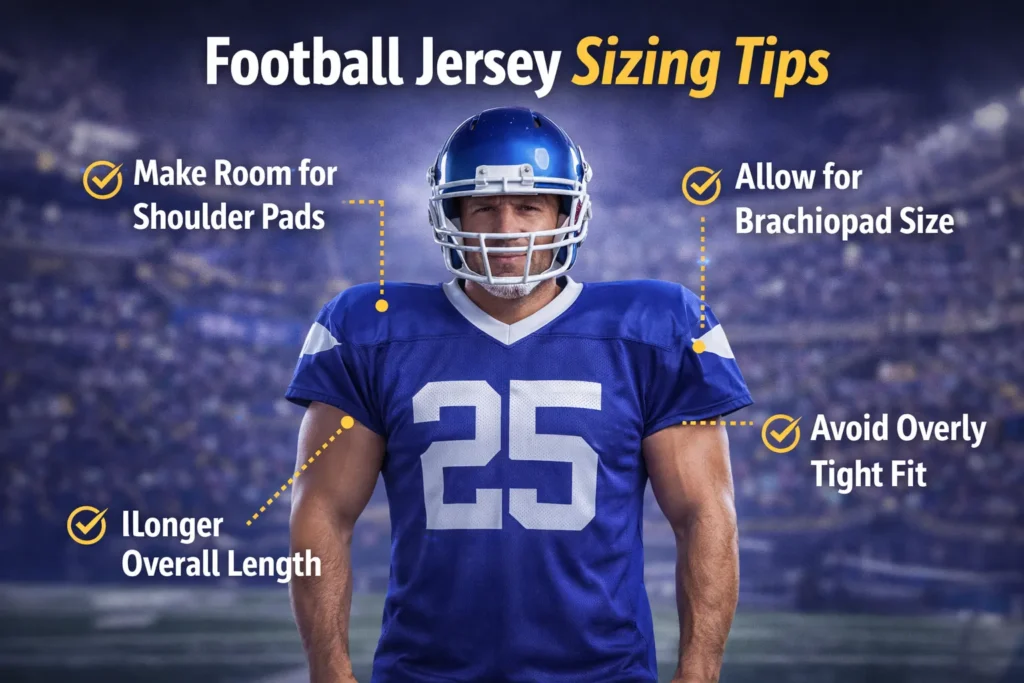
Football jerseys must accommodate shoulder pads. This requirement changes everything. Chest and shoulder measurements become critical. Players should measure while wearing pads if possible. This approach gives the most accurate result. It prevents tightness during games.
If you are exploring high-quality options, a friend-like recommendation would be custom football jerseys from Fast Custom Jerseys. They balance room, durability, and comfort without feeling bulky.
Soccer Jersey Sizing Tips
Soccer jerseys follow a slimmer profile. Speed and agility matter most. Excess fabric slows movement. Most players prefer a closer fit. Still, breathability remains essential. Fabric stretch helps balance these needs. Always remember that soccer jerseys should stay tucked or sit cleanly at the waist.
Basketball and Baseball Jersey Sizing
Basketball jerseys’ sleeveless design changes how its sizing is achieved. Above all, chest width and length matter most. Baseball jerseys, on the other hand, button up. This style affects chest fit and layering. Some players size up for comfort. When it comes to baseball, it is necessary to compare charts carefully.
How Fabric Affects Jersey Fit
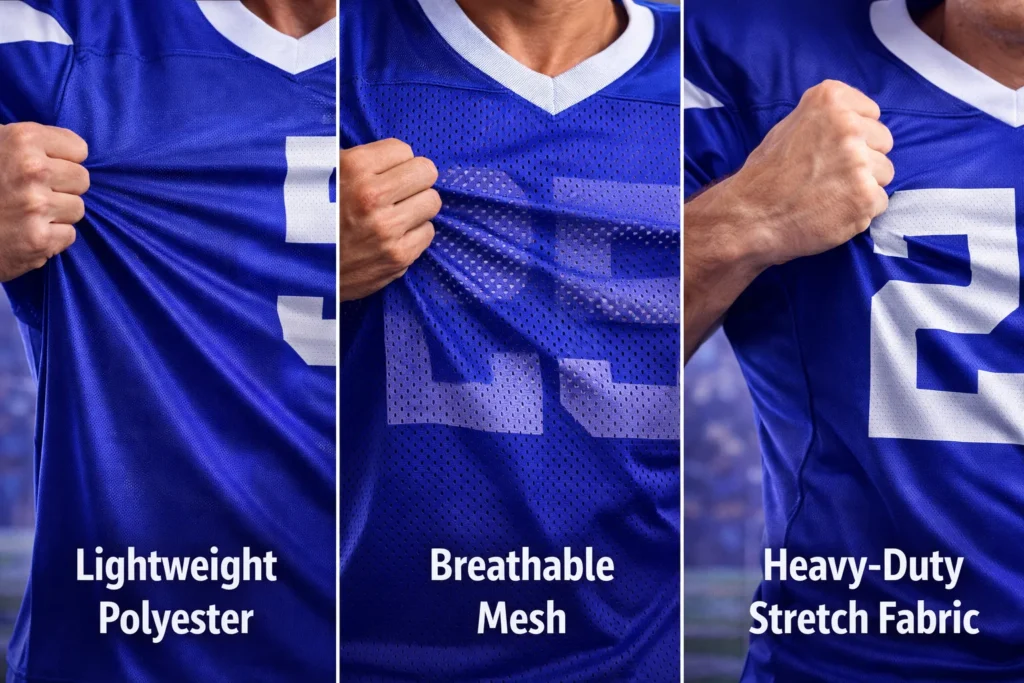
Fabric choice directly impacts sizing. Some materials stretch, while others hold shape firmly. Polyester offers durability and moisture control. It stretches slightly but keeps its structure. This balance suits most sports sizing needs.
Why Samples Make all the Difference
Samples allow real-world testing. They show how fabric feels and moves. They reveal length and cut accurately. This adjustment prevents costly reorders. If samples are available, use them. They provide clarity that no chart can replace.
Common Sizing Mistakes to Avoid
Choosing the wrong jersey size affects the overall appearance of the jersey on you. Below are some of the mistakes people make. This will help you plan better and know aspects to work on the most.
Misunderstanding Jersey Sizing Standards
- Relying on t-shirt sizes instead of jersey-specific measurements.
- Assuming all jersey brands and styles fit the same way.
- Ignoring jersey length while focusing only on chest or width.
- Choosing a size that fits the chest but rides up during movement.
Ignoring Wear, Washing, and Longevity
- Assuming modern jerseys will not change size over time.
- Using high heat during washing or drying in general
- Ordering jerseys with no extra room for frequent washing.
- Forgetting that slight size buffers improve long-term comfort.
- Ignoring care instructions that help preserve fit and shape.
Mistakes During Bulk Team Orders
- Rushing large orders without proper size verification.
- Repeating a single sizing error across the entire team.
- Skipping the creation of a master size list.
- Assuming similar body types require identical jersey sizes.
- Failing to confirm each player’s measurements individually.
- Not requesting size samples when available.
Other Necessary Sizing Considerations

Below are other vital considerations to achieve a perfect fit for jerseys.
Matching Jerseys With Shorts and Accessories
Sizing does not stop at jerseys. Avoid pairing oversized jerseys with tight shorts. The contrast feels awkward, therefore, aim for harmony. Many suppliers offer full uniform sets. Exploring coordinated options can simplify sizing decisions.
Branding, Logos, and Fit
Large prints stiffen fabric slightly. This stiffness changes the feel. Ensure designs align with the size choice. A tight jersey with heavy prints may feel restrictive. Test layouts when possible. Visual balance matters as much as fit.
International Sizing Differences
Sizing standards vary by region. A large in one country may equal a medium elsewhere. This difference confuses people. Always rely on measurements, not labels. Inches and centimeters remain consistent. If ordering internationally, confirm units and clarify whether charts use metric or imperial systems.
Trusted Resources for Sizing Standards
Sports organizations like FIFA publish uniform guidelines. These standards influence jersey design. Reviewing the guidelines adds insight. For example, FIFA and the NBA outline fit expectations. These references explain why jerseys look the way they do.
Learning from official sources improves understanding and confidence. You may explore general apparel measurement guidance from reputable sources like the apparel sizing explanations provided by educational fashion institutions or industry blogs, such as those discussed on sites like Wikipedia’s apparel sizing overview.
Custom Jerseys for Fans and Promotions
For teams or individuals that might need a trusted source to get high-quality jerseys, a quiet suggestion would be browsing the FastCustomJerseys’ website. It offers clear sizing guidance for mixed audiences. Also, you can request a sample and order in bulk.
Final Checklist Before Ordering
At the end, perfect sizing can be accomplished. All you have to do is confirm measurements for every individual. Then, review the size chart carefully. Also, don’t forget to check fabric details while ensuring that the logos and designs suit the chosen size.
If everything aligns, proceed confidently. A well-sized jersey delivers comfort, pride, and lasting value. Sizing defines the jersey experience. It shapes comfort, movement, and confidence. And that’s why getting it right matters.
Take time to measure and read charts carefully. Respect differences between sports and styles. When chosen well, a custom jersey feels natural. It becomes something you enjoy wearing, not adjusting.