










Table of Contents
ToggleHow to Wash T-Shirts: The Complete Washing, Drying & Care Guide
Introduction

Keeping your favorite t-shirts looking fresh shouldn’t be complicated but it often feels that way. One wrong wash cycle, a bit too much heat, or a forgotten stain, and suddenly a perfect tee looks stretched, faded, or misshapen. After testing different detergents, wash settings, and stain-removal tricks over the years, I finally figured out a t- shirt washing routine that actually works. This guide breaks it down step by step machine washing, hand washing, t-shirt stain removal, drying, and even t-shirt folding techniques to help your tees last longer.
Whether you wear classic cotton tees, graphic prints, or premium fabrics, even custom football jerseys with sensitive prints, these methods will help you care for them properly without shrinking, cracking, or fading. Think of this as advice from a friend who genuinely wants your t-shirts to stay bright, soft, and new for as long as possible.
How to Wash T-Shirts in a Washing Machine
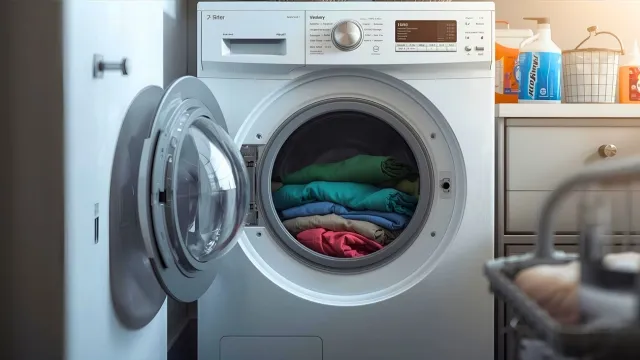
Machine washing is the easiest way to clean t-shirts, but it’s also where most damage happens—shrinking, fading, stretching, and cracked prints usually come from incorrect wash settings. With the right routine, though, t-shirt washing becomes simple, safe, and fabric-friendly.
1. Read the Care Label First
If you’re unsure about any icons, here’s a helpful guide to understanding laundry care symbols. Before anything else, check the label attached near the collar or hem. It tells you the fabric type, recommended water temperature, and wash symbols:
- Fabric type (100% cotton, poly-cotton, tri-blend)
- Recommended water temperature
- Whether machine washing is allowed
- Instructions for prints or delicate areas
Premium cotton and graphic tees often require gentler cycles. This is the foundation of proper t shirt care.
2. Turn the T-Shirt Inside Out
This small step protects:
- Printed graphics
- Embroidery
- Heat transfers
- Fabric color pigments
Turning the tee inside out dramatically reduces fading and cracking.
3. Choose the Right Wash Settings
To keep the fabric soft and the shape intact, use:
- Water temperature: Cold
- Cycle: Gentle or delicate
- Spin speed: Low or medium
- Load size: Never overload; allow movement
Cold water prevents shrinking and helps maintain the original color, especially for darker t shirts washing.
4. Use Mild Detergent
Strong detergents can strip color and break down fibers.
Best options:
- Liquid detergents
- Color-safe formulas
- Enzyme-free detergents for graphic tees
Avoid:
- Chlorine bleach (unless washing whites)
- Fabric softeners (they can damage prints)
5. Wash Similar Colors Together
Mixing brights and whites is one of the most common laundry mistakes. Separate:
- Whites
- Lights
- Darks
- Reds (they bleed most often)
For printed tees, wash with other lightweight clothes—not towels, jeans, jackets, or heavy fabrics that rub aggressively.
6. Try a Mesh Laundry Bag for Extra Protection
Place delicate, vintage, or graphic t shirts inside a mesh laundry bag to prevent:
- Surface abrasion
- Pulling
- Snagging
- Print cracking
This step is especially helpful for long-term t shirts care.
7. Avoid Overloading the Machine
When the drum is too full, friction increases, and detergent can’t rinse properly. This leads to:
- Dingy appearance
- Stretching
- Pilling
Give your t shirts space to move and rinse clean.
8. Remove Immediately After Washing
Leaving clothes inside the washer can:
- Cause wrinkles
- Trigger mildew odor
- Transfer dye from wet fabrics
How to Hand Wash T-Shirts
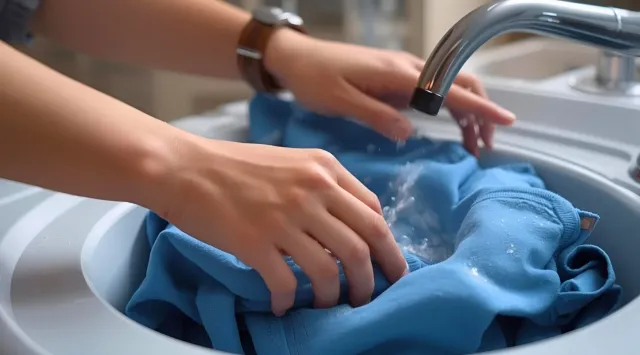
Hand washing is the gentlest, safest method for t shirts washing—especially for delicate fabrics, premium cotton, vintage tees, or anything with screen prints, puff prints, embroidery, or DTG designs. If you want your tees to stay soft, vibrant, and perfectly shaped, this method offers the best long-term t shirt care.
1. When Hand Washing Is Better
Choose hand washing when you’re dealing with:
- Graphic or printed t shirts
- Vintage or rare tees
- 100% cotton prone to shrinking
- Stained areas needing focused cleaning
- Premium fabrics (Supima, Pima, bamboo, modal)
Hand washing reduces friction and protects the fibers—ideal for extending the life of your favorite shirts.
2. Set Up Your Washing Station
Fill a clean basin, sink, or bucket with:
- Cold or lukewarm water
- 1–2 teaspoons of mild liquid detergent (avoid powders and strong chemicals)
This temperature prevents color bleeding and protects print quality.
3. Pre-Treat Any Stains First
Before soaking, gently spot-clean stains:
- Mix mild detergent with a little water
- Rub using your fingertips or a soft cloth
- Avoid scrubbing with brushes—they can damage fibers
4. Soak the T-Shirt
Place the shirt in the water and press it down until fully submerged. Let it soak for 10–15 minutes. This helps loosen sweat, dirt, and oils without scrubbing aggressively.
5. Gently Wash the Fabric
Use slow, circular motions to move the t shirt in the water. Focus on:
- Underarms
- Collar
- Hem areas
Do not wring or twist, as this can stretch the neckline and distort the shape.
This gentle movement is key to proper t shirts washing by hand.
6. Rinse with Cool, Clean Water
Drain the basin and refill with cold water. Submerge the t-shirt again and swish until all detergent is removed. Repeat until the water is clear.
Soap left behind can cause stiffness or discoloration, so rinsing thoroughly is essential for good t shirts care.
7. Remove Excess Water (Without Twisting)
Place the t-shirt flat on a clean towel. Roll the towel firmly with the shirt inside to pull out water.
This method:
- Protects the fabric
- Maintains shape
- Prevents stretching
8. Prepare for Drying
After towel-rolling, your t-shirt is ready for air-drying or flat-drying.
How to Wash White T-Shirts
White t-shirts are the hardest to keep bright. Sweat, deodorant, detergent residue, and even air exposure can cause dullness, yellowing, or gray undertones. With the right t shirt washing routine, though, whites can stay crisp and clean without relying on harsh bleach. Here’s how to keep your white tees looking brand new.
1. Why White T-Shirts Yellow or Fade
Understanding the cause helps prevent damage. Common reasons include:
- Sweat + deodorant reaction (aluminum salts create yellow stains)
- Heat exposure (hot dryers “set” stains)
- Detergent buildup
- Body oils and sunscreen
- Fabric oxidation over time
This is especially true for 100% cotton, which absorbs oils quickly—so consistent t shirts care is essential.
2. Pre-Treat Stains Before Washing
Pre-treatment is the secret to bright whites.
For underarm stains:
- Mix baking soda + water into a paste
- Apply under the sleeve area
- Let sit for 15 minutes
For sweat or oil stains:
- Dab hydrogen peroxide (3%) directly
- Gently rub with fingers
- Let sit for 10 minutes
For dull, overall discoloration:
- Soak in a basin of cold water + oxygen bleach (Oxi cleaner)
- Let sit for 30 minutes
This gentle pre-treatment preserves the fabric while improving long-term t shirts care.
3. Best Washing Method for White T-Shirts
Whites require a gentler routine than colored tees or custom baseball jerseys, which often have thicker prints and embroidery. Additional professional tips on washing white clothes can be found here.
3.1. Use cold or warm water
Hot water can set stains, especially yellow ones.
3.2. Choose a gentle liquid detergent
Liquid detergent dissolves better and leaves less residue.
3.3. Add a whitening booster (optional)
Safe options include:
- Oxygen bleach
- Baking soda
- A tablespoon of white vinegar during the rinse cycle
Avoid harsh chlorine bleach unless absolutely necessary—frequent use can weaken fibers.
3.4. Wash whites separately
Darks or bright colors can transfer dye onto white cotton fibers.
4. How to Keep White Tees Bright Long-Term
These habits dramatically improve the lifespan of your white tees:
- Wash after 1–2 wears to avoid sweat build-up
- Don’t use fabric softeners (they trap residue)
- Dry in natural sunlight—UV rays naturally brighten cotton
- Avoid the dryer for stained tees
- Use mesh bags for soft fabrics
Sunlight is one of the best natural brighteners and doesn’t harm cotton when drying properly.
5. What to Avoid With White Tees
To prevent fading or yellowing:
- No high-heat drying
- No mixing with colored garments
- No chlorine bleach on prints
- No harsh scrubbing on stains
Doing so protects the fabric structure and keeps your t shirts washing routine safe for all materials.
How to Get Grease Stains Out of a T-Shirt
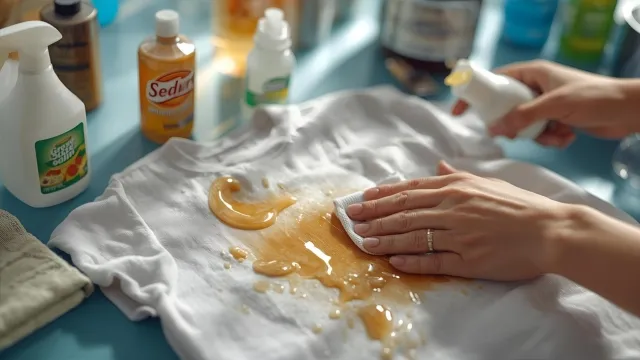
Grease stains are some of the toughest spots to remove from cotton and blended t shirts because oil binds quickly to fabric fibers. The key is to lift the oil before it settles. With the right t shirt stain removal technique, you can rescue your t shirts without damaging the fabric or fading prints.
1. Why Grease Stains Are Hard to R
emove
Grease molecules cling to cotton and polyester fibers, especially when exposed to:
- Body heat
- Hot water
- Dryer heat
This makes fast action important. Most t shirts washing issues come from letting oil sit too long or treating it with the wrong products.
2. What You Need for Safe Grease Removal
You can remove grease using common household items:
- Dish soap (clear, mild type) – breaks down oils
- Baking soda – absorbs fresh grease
- Cornstarch or baby powder – lifts surface oils
- Soft toothbrush or fingertips – gentle agitation
- Cold water – prevents spreading
These items work on cotton, poly-cotton, and printed tees.
3. How to Remove Fresh Grease Stains
Fresh oil is easiest to remove in the first hour.
Step-by-step:
- Lay the t-shirt flat.
- Sprinkle baking soda or cornstarch over the stain.
- Let it sit for 10–15 minutes to absorb excess oil.
- Brush off the powder.
- Apply a drop of clear dish soap.
- Gently rub using fingers or soft cloth.
- Rinse with cold water.
- Launder as normal (see Part 1 or Part 2).
This method is safe for long-term t shirts care and will not harm prints.
4. How to Remove Set-In or Older Grease Stains
For stains that have already dried:
Step-by-step:
- Apply dish soap directly to the stain.
- Add a tiny splash of warm (not hot) water to activate the soap.
- Gently scrub with a soft toothbrush in small circles.
- Let it sit for 10 minutes.
- Rinse with cold water.
- Repeat once if needed.
- Wash the shirt in cold water.
Hot water should be avoided until the stain is fully removed—heat sets oil deeper.
5. Special Tips for Printed or Graphic T-Shirts
Prints are sensitive, so modify your t shirts stain removal approach:
- Dab soap around the print, not on top.
- Skip scrubbing—use only fingertips.
- Do not use bleach or strong stain removers.
This keeps graphics from cracking or fading, especially important if you own custom t-shirts with detailed prints.
6. Don’t Dry the T-Shirt Until the Stain Is Gone
Heat is the enemy of stain removal. Never put a stained t-shirt in the dryer.
Drying early can:
- Lock in the grease
- Make stains permanent
- Damage the fabric’s surface texture
Always air-dry first, check the stain, and only use a dryer when the stain is fully gone.
7. When to Use a Degreasing Laundry Product
For extremely stubborn stains, enzyme-based degreasers can help, but choose one labeled safe for cotton and colors.
How to Dry T-Shirts
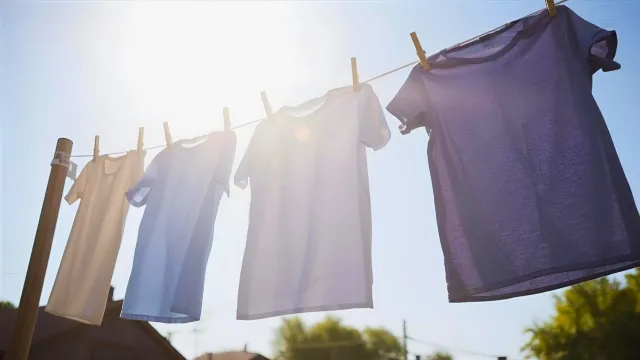
Drying is just as important as washing. The wrong drying method can shrink your t-shirts, fade printed graphics, stretch necklines, or cause deep wrinkles that never fully disappear. The right drying routine, however, keeps your tees soft, smooth, and long-lasting. Here’s how to dry t-shirts properly—without damaging the fabric.
1. Why T-Shirt Drying Matters
Too much heat is the biggest enemy of cotton and blended fabrics. High temperatures from dryers can:
- Shrink cotton fibers
- Fade colors
- Crack graphic prints
- Make fabrics stiff or brittle
That’s why proper t shirts drying is essential for long-term t shirts care.
2. Best Method: Air-Drying Your T-Shirts
Air-drying is the safest and most fabric-friendly method.
How to air-dry properly:
- Shake the t-shirt gently to remove wrinkles.
- Lay it flat on a clean drying rack or towel.
- Smooth out the neckline and seams.
- Place in a shaded, ventilated area—avoid direct, harsh sunlight for dark colors.
Why this works
- Prevents shrinkage
- Protects print quality
- Maintains fabric softness
- Naturally preserves shape
Air-drying should be your default drying method for premium tees, graphic shirts, and 100% cotton styles.
3. Using a Clothesline: Yes or No?
Clotheslines are fine if you do it correctly.
Use a clothesline when:
- The weather is mild
- You hang tees from the bottom hem, not the shoulders
- You avoid using clothespins directly on prints
Avoid:
- Hanging by the shoulders (leads to stretching)
- Hanging heavy, wet tees for long hours
- Leaving them in direct sun for too long (fades deep colors)
4. If You Must Use a Dryer (Low-Heat Only)
Sometimes you need quick drying. In that case:
Dryer settings:
- Choose low heat or no heat (air dry mode)
- Add dryer balls to soften fabric
- Remove while still slightly damp
Why low heat matters
High dryer heat is the #1 cause of:
- Shrinking
- Cracked graphics
- Curling hems
- Warped necklines
A gentle dryer setting makes t shirt drying safer when you’re short on time.
5. Flat-Drying for Delicate or Graphic Tees
For printed t-shirts, vintage tees, or lightweight knits, flat-drying is best.
How to flat-dry:
- Place the t shirt on a clean towel.
- Smooth out wrinkles.
- Flip halfway through drying for even airflow.
This method prevents stretching and print distortion.
6. Avoid These Common Drying Mistakes
To keep your t-shirts in great condition:
- Do not dry on high heat
- Do not wring the t-shirt (causes shape distortion)
- Do not let tees sit in the dryer after the cycle ends
- Do not hang heavy wet tees from the neckline
- Do not dry graphic tees in direct sunlight
These habits gradually weaken fibers and reduce the life of your tees.
7. How to Remove Wrinkles After Drying
If wrinkles remain:
Option 1: Steam
- Hang the tee and use a garment steamer
- Safe for prints and delicate fabrics
Option 2: Iron (with protection)
- Turn the t shirt inside out
- Use medium heat
- Place a cloth over printed areas before ironing
This keeps your t shirts drying routine gentle and print-safe.
8. Quick Drying Hack (Fabric-Safe)
If you’re in a rush:
- Roll the t-shirt inside a dry towel
- Press gently to absorb water
- Lay flat or hang to finish drying
This reduces drying time without using heat.
How to Fold T-Shirts
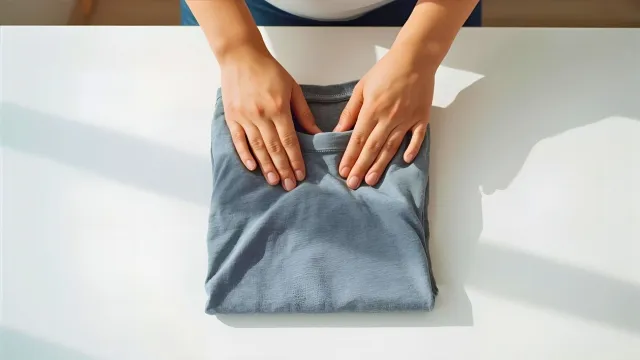
A good folding technique doesn’t just make your drawers look organized—it helps your t-shirts maintain their shape, prevents wrinkles, and even extends their lifespan. Whether you prefer classic folding, retail-style folds, or space-saving methods, mastering proper t shirt folding is an essential part of long-term t shirts care.
1. Why Proper Folding Matters
Folding your t-shirts correctly can:
- Prevent deep creases
- Protect printed graphics
- Save drawer space
- Maintain shape around the neckline
- Reduce fabric stretching
Good t shirts folding habits can keep your tees looking fresh even after years of use.
2. Classic Flat Fold (Best for Everyday Use)
This is the most common and easiest folding method.
How to do it:
- Lay the t-shirt face down on a flat surface.
- Fold one side inward about one-third of the width.
- Fold the sleeve back over the folded portion.
- Repeat on the other side.
- Fold the bottom up toward the collar.
- Smooth out any wrinkles.
Why it works:
- Prevents stretched collars
- Keeps shirts neat in stacks
- Works for cotton, blends, and graphic tees
3. Retail Fold (Perfect for Uniform Stacks)
If you want your drawers to look store-perfect, use this technique.
How to do it:
- Place the t-shirt face down.
- Fold both sides inward so the shirt becomes a long rectangle.
- Fold the bottom up to meet the shoulders.
- Fold once more to create a compact square.
Best for:
- Shelving
- Display stacks
- Organizing multiple t shirts folding in a drawer
This fold keeps edges sharp and sizes consistent.
4. KonMari Fold (Space-Saving Vertical Fold)
This method is ideal if you want to maximize space and see all tees at once.
How to do it:
- Lay the shirt flat and smooth out wrinkles.
- Fold one side toward the middle.
- Fold the sleeve back.
- Repeat on the other side.
- Fold the shirt in half lengthwise.
- Fold into thirds until it can stand upright.
Benefits:
- Saves space
- Reduces stacking pressure
- Lets you see every t-shirt at a glance
This is the best option for small closets or drawers.
5. How to Fold Graphic or Printed T-Shirts
Printed designs need careful handling.
Do this:
- Fold prints inward to protect them
- Avoid sharp folds directly across large graphics
- Store in cool, dry spaces
Don’t do this:
- Don’t stuff folded tees tightly
- Don’t fold when still warm from the dryer
- Don’t leave heavy items on top
Proper t shirts folding helps prevent print cracking over time.
6. Rolling T-Shirts (For Travel)
Rolling is excellent for suitcases or gym bags.
How to roll correctly:
- Lay the shirt flat.
- Fold both sides inward.
- Start rolling from the bottom up.
- Keep tension even to avoid wrinkles.
Good for:
- Travel
- Packing multiples
- Preventing crease lines
Rolled tees take up less space and stay surprisingly wrinkle-free.
7. Storage Tips for Longer T-Shirt Life
To keep your folded t-shirts fresh and ready to wear:
- Store in a cool, dry place
- Add cedar blocks or mild sachets to prevent odor
- Keep graphic tees out of direct sunlight
- Rotate stacks to avoid fabric compression
Combining proper t shirt folding with proper t shirts care ensures your collection stays smooth, neat, and well-preserved.
Conclusion
Washing t-shirts the right way doesn’t need to be complicated. With a few simple habits—cold water, gentle detergent, low heat drying, and the right folding techniques—you can keep your favorite tees looking fresh, soft, and perfectly shaped for years. Whether you prefer machine washing, hand washing, or need targeted t shirt stain removal, every method in this guide is designed to protect the fibers, preserve prints, and extend the lifespan of your wardrobe.
Over the years, I’ve tested all kinds of t shirts care routines, and these steps consistently deliver the best results. So the next time you wash your tees, think of this guide as a friend sharing the little tricks that actually work.
If you’re looking for t-shirts that wash well, feel great, and stay durable, you might love browsing our own apparel collection at FastCustomJerseys. I’ve been genuinely impressed by how well these tees hold up after repeated washing and drying—definitely worth checking out if you want long-lasting basics.